Abbot is a saint of the Catholic Church.
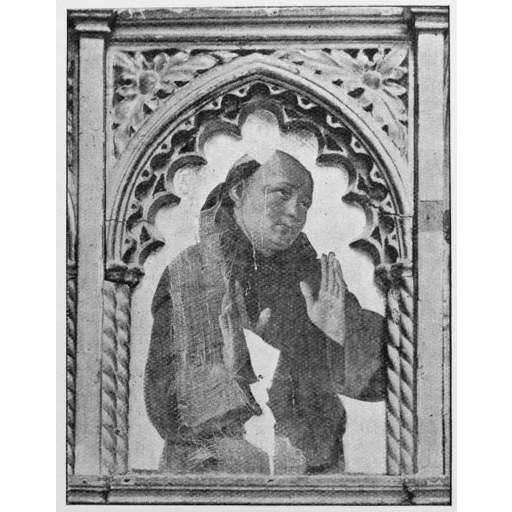
https://gettyimages.com/photos/saint-anthony-abbot
License: unknown
Abbot
Saint- Church
- Catholic
Biography
The designation Abbot is an ecclesiastical title rather than the proper name of a single, uniquely identifiable historical person. In the Christian monastic tradition, an abbot (from the Aramaic abba, meaning father) is the superior of an independent monastery of monks, especially in the Benedictine, Cistercian, and related Western families, as well as in analogous Eastern houses. The request supplies no given name, no monastery or see, no century, and no Wikidata or Wikipedia identifier. Under those conditions no individual biography can be verified from reliable historical sources, and substituting a well-known saint who happened to hold the office would be conjecture rather than history.
The office itself took shape in late antique Egypt and Syria as loosely associated desert ascetics gathered around a spiritual father. By the sixth century in Italy, the Rule associated with Benedict of Nursia defined the abbot as the representative of Christ within the monastery, normally elected by the community and confirmed by higher ecclesiastical authority. In the medieval Latin West, abbots of wealthy houses often exercised feudal jurisdiction, attended royal and church councils, and were occasionally promoted to the episcopate. Those careers, however, belong to named individuals such as Suger of Saint-Denis or Peter the Venerable of Cluny, not to the title in the abstract.
Hagiographical calendars commemorate many saints who were abbots, including Anthony of Egypt (frequently styled Anthony the Abbot in Western art and liturgy), Benedict of Nursia, Bernard of Clairvaux, Abbo of Fleury, and numerous regional founders. Each of these men has a distinct, if sometimes only approximately known, lifespan, feast day, and set of patronages. None is uniquely designated in the sources simply as Abbot. Early modern figures who bore Abbot as a surname, such as George Abbot, Archbishop of Canterbury (died 1633), are likewise distinct persons and do not match a hagiographical schema of canonization, feast day, and patronage.
Because no specific identity can be established, fields that require a verified year of birth, places of birth and death, burial, spouse, children, canonizing or beatifying authority, or a list of patronages must remain empty. It would be improper to insert the birth year of any particular abbot-saint, or to treat the year an unnamed man took office as a year of birth. The typical holder of the abbatial office in the Catholic and Orthodox traditions was male and bound by monastic celibacy, and the office of abbot is not identical with that of pope or patriarch; those general observations still do not license filling biographical fields for an unidentified individual. Preferring blank entries over guesswork is the only historically responsible course.