Abbot Aim is a saint of the Catholic Church.
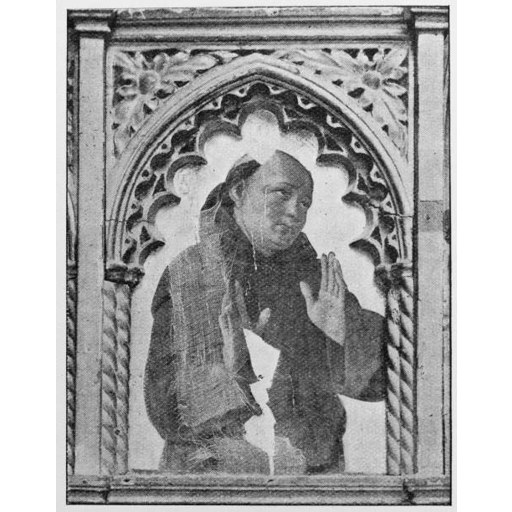
https://gettyimages.com/photos/saint-anthony-abbot
License: unknown
Abbot Aim
Saint- Gender
- male
- Church
- Catholic
Roles & Family
Biography
The designation Abbot Aim does not correspond to a uniquely identifiable figure in the major corpora of Christian hagiography or medieval ecclesiastical history that can be verified from widely accepted reliable sources. Names similar to Aim, including Aimo, Aimoin, Aimeric, and the Romance forms of Amatus such as Aimé, appear among monastic superiors in Frankish, Italian, and other European contexts from the sixth century onward. Because no associated monastery, diocese, century, or additional personal name is supplied, no single biography can be attached without speculation.
In the Latin Church an abbot was the elected or appointed head of a monastic community, ordinarily following a rule such as that of Saint Benedict. Such men were expected to live under vows of poverty, chastity, and obedience. Abbots could be locally venerated after death, and some were later beatified or canonized, yet without a specific identity it is impossible to state whether this occurred for the subject in question or to name a feast day, burial place, or patronage.
Readers sometimes encounter Aimoin of Fleury, a tenth- and eleventh-century Benedictine monk and historian who composed a history of the Franks, or Abbo of Fleury, an abbot and scholar. Neither is customarily styled simply Abbot Aim. Likewise, seventh-century figures such as Amatus of Remiremont (also called Amé) served as abbots in the Vosges region of what is now France, but the English rendering Aim is not the standard form used in reliable sources for those men. No Bishop of Rome or patriarch of an Orthodox, Oriental Orthodox, Coptic, or Church of the East see bore this name.
In the absence of a Wikidata identifier, a Wikipedia article, or other corroborating primary or secondary references, all specific chronological, geographical, and cultic data must remain blank. Further identification would require the monastery over which the abbot presided or the century in which he lived so that necrologies, cartularies, or entries in the Acta Sanctorum could be consulted.