Abbot Caprasius is a saint of the Catholic Church (d. 430). Abbot Caprasius's feast day is celebrated on 1 June.
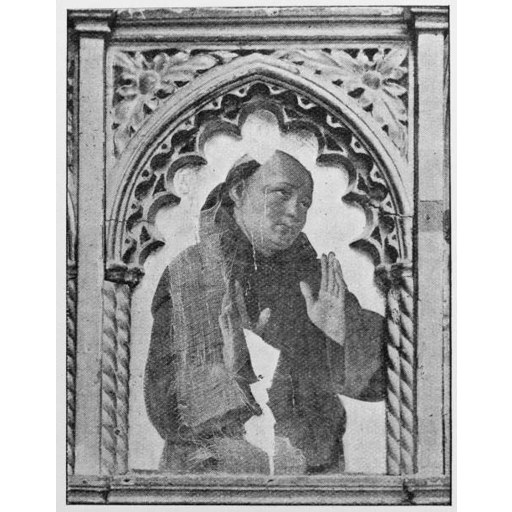
https://gettyimages.com/photos/saint-anthony-abbot
License: unknown
Abbot Caprasius
Saint- Life Span
- d. 430
- Feast Day
- 1 June
- Gender
- male
- Church
- Catholic
Places
Roles & Family
Biography
Saint Caprasius, also known in French as Caprais, was a monk and hermit of early fifth-century Gaul, commemorated as an abbot in the Roman Martyrology. Almost nothing can be established about his birth, family, or early years. He enters the historical record as the companion of Honoratus, later bishop of Arles, and of Honoratus's brother Venantius. Later tradition presents him as a native of Gaul and as an older spiritual guide to the two brothers.
The principal early source is the sermon on the life of Honoratus composed by Saint Hilary of Arles shortly after Honoratus's death. According to that account, Caprasius accompanied Honoratus and Venantius on a journey to the East undertaken so that they might observe and learn the monastic life. The travelers reached Greece. Venantius died on the way, and Honoratus became seriously ill. The surviving companions therefore gave up the intention of going on to the monastic centers of Egypt or the Holy Land and returned to Gaul.
After their return they lived for a time as hermits in a secluded place in the neighborhood of Fréjus. Honoratus then founded a monastery on one of the islands of Lérins, off the Provençal coast, in the first years of the fifth century. Caprasius took up his life there as a monk and hermit. The island community rapidly became a major center of Gallic monasticism and a nursery of bishops. Tradition remembers Caprasius as a holy man and spiritual father to the monks. The Roman Martyrology gives him the title of abbot, although the earliest texts do not clearly define any formal office he may have held.
Caprasius is customarily said to have died about the year 430. His cult is ancient and is associated with Lérins and the church of Provence. His feast is observed on 1 June. Independent biographical details beyond Hilary's testimony and the liturgical commemoration are lacking, and later medieval lives tend to expand the sparse fifth-century notices. Like most saints of his period, he was not the object of a formal papal canonization of the later medieval kind; his status as a saint rests on local veneration and inscription in the martyrologies.