Agapitus is a saint of the Catholic Church (d. 274). Agapitus's feast day is celebrated on 18 August. Agapitus is the patron saint of Palestrina;those afflicted with colic.
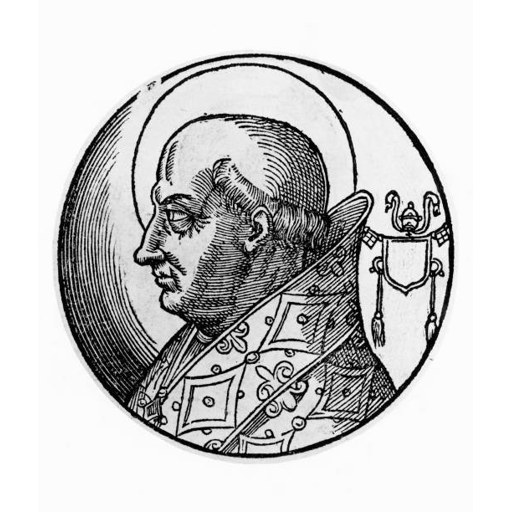
https://www.gettyimages.com/photos/agapetus
License: unknown
Agapitus
Saint- Life Span
- d. 274
- Feast Day
- 18 August
- Gender
- male
- Church
- Catholic
Places
Roles & Family
Patronage
Palestrina;those afflicted with colic
Biography
Saint Agapitus of Palestrina was a youthful Christian martyr of the third century, venerated especially in the ancient city of Praeneste, known today as Palestrina, in Latium east of Rome. According to the traditional account he was born of Christian parents in that city and was only about fifteen years old when he was arrested for refusing pagan sacrifice. Later legend associated his passion with the reign of the emperor Aurelian and assigned his death to 18 August in the year 274. The Passio that recounts his interrogations, tortures, miraculous preservation, and final beheading is a typical late antique martyr romance rather than a contemporary record; it fixed the outline by which he was remembered in the Middle Ages, but its narrative details cannot be verified from independent historical sources.
Independent of that legendary narrative, the cult of Agapitus at Palestrina is ancient. His name appears in the Hieronymian Martyrology, and a church in his honor stood at Praeneste from an early date. The cathedral of the city, the Cattedrale di Sant'Agapito Martire, developed as the principal sanctuary of his relics and remains the center of his local veneration. Medieval and early modern sources treat him as the patron and heavenly defender of Palestrina. Because the surviving documentation is limited to martyrological notices and the material evidence of the shrine, little can be said with certainty about his family, education, or the precise circumstances of his arrest beyond the fact that Christian memory in that town preserved him as an adolescent layman who died for the faith.
In the liturgy of the Roman Church, Agapitus has long been commemorated on 18 August. The Roman Martyrology records him on that day as a martyr who suffered at Palestrina at the age of fifteen. In the Tridentine General Roman Calendar he received a commemoration, which in later reforms was left primarily to particular calendars, especially that of the diocese of Palestrina. Popular devotion has invoked him as patron of Palestrina and, in some traditions, as a helper against colic. He was never the object of a formal papal canonization of the later medieval or modern type; his sainthood rests on ancient cultus, later confirmed by inclusion in the martyrology.
Agapitus therefore belongs to the large company of early Italian martyrs whose personal biographies have been largely lost, but whose names, feast days, and local shrines continued to shape Christian life in their cities. The combination of a firmly localized cult at Palestrina, an early martyrological entry, and a later embellished passion is characteristic of such figures. While historians must distinguish the legendary episodes of the Passio from the modest facts that can be verified, the persistence of his veneration from late antiquity to the present attests to the importance of his memory in the religious history of Latium.