Agapitus is a saint of the Catholic Church (d. 274). Agapitus's feast day is celebrated on 18 August. Agapitus is the patron saint of Palestrina;those suffering from colic.
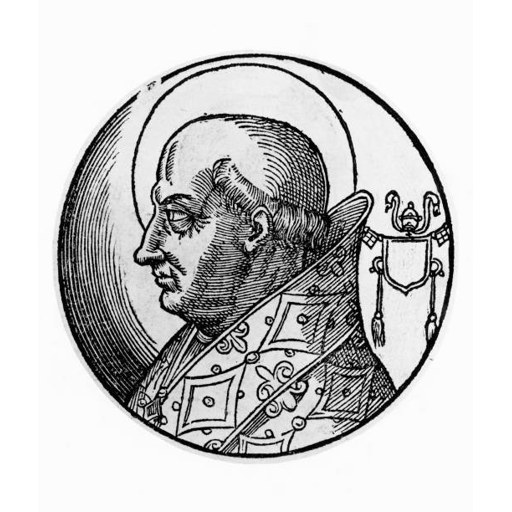
https://www.gettyimages.com/photos/agapetus
License: unknown
Agapitus
Saint- Life Span
- d. 274
- Feast Day
- 18 August
- Gender
- male
- Church
- Catholic
Places
Roles & Family
Patronage
Palestrina;those suffering from colic
Biography
Saint Agapitus (Latin Agapitus; Italian Agapito) is the martyr traditionally associated with the ancient city of Praeneste, modern Palestrina in Latium. The Roman Martyrology commemorates him on 18 August as a youth of about fifteen years who, fervent in the love of Christ, was beheaded after cruel tortures by order of the emperor Aurelian. That notice reflects a cult already old by late antiquity: a basilica in his honour at Praeneste is attested by the fifth century, and his name entered the early martyrological tradition. The conventional death year 274 rests on the attribution of his passion to Aurelian’s reign (270–275) rather than on a contemporary dated record. No historically verified year of birth survives; the age of fifteen belongs to the later legendary Acts and cannot be converted into a documented birth date.
The passio that circulated in the Middle Ages is regarded by modern hagiographers as largely legendary. In that narrative Agapitus is arrested for the Christian faith, interrogated, and subjected to a sequence of tortures—scourging, suspension, and exposure to wild beasts in the amphitheatre—before being beheaded at Praeneste when the animals refuse to harm him. Such motifs (the steadfast adolescent, the unsuccessful tortures, the docile lion) are stock features of late antique martyr acts and cannot be treated as historical reportage. What can be affirmed with more confidence is that a martyr named Agapitus was honoured at Praeneste from an early date, that his tomb became a local pilgrimage centre, and that the church built over it developed into the cathedral of the city.
His relics have long been associated with the cathedral of Palestrina, dedicated to him as Sant'Agapito Martire and standing on the site of the palaeo-Christian basilica. Through the Middle Ages and into the modern period he was invoked as the principal patron of Palestrina; he has also been invoked against colic. He is distinct from Pope Agapetus I (died 536), from the deacon Agapitus martyred with Pope Sixtus II in 258, and from other saints of the same name. His feast on 18 August remains in the Roman Martyrology. Nothing reliable is known of a religious order, marriage, or children; the tradition presents him as an unmarried adolescent lay martyr, and he was never bishop of Rome or patriarch of an Eastern see. Formal canonization and beatification in the later juridical sense do not apply; his cult is pre-congregational, resting on ancient local veneration rather than on a named papal decree.