Ambrosе (Gudko) is a saint of the Eastern Orthodox Church (1867 - 1918). Ambrosе (Gudko)'s feast day is celebrated on 27 July.
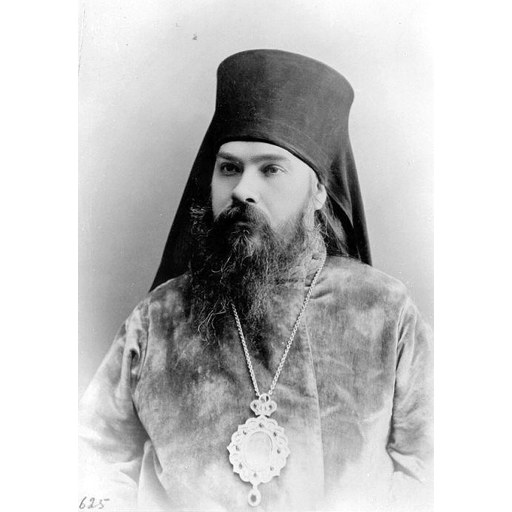
Unknown authorUnknown author
License: Public domain
Ambrosе (Gudko)
Saint- Life Span
- 1867 - 1918 (age 51)
- Feast Day
- 27 July
- Gender
- male
- Church
- Eastern Orthodox
Places
Roles & Family
Canonization
Biography
Ambrose (Gudko), born Vasily Gudko, was a bishop of the Russian Orthodox Church in the last decades of the Russian Empire and the first year of Bolshevik rule, and is venerated as a hieromartyr. He was born on 28 December 1867 in the village of Shpikov (now Shpykiv) in the Bratslav district of the Podolia Governorate, in a family tied to parish church service. He was educated in the imperial ecclesiastical school system and completed higher theological studies at the Kiev Theological Academy in the 1890s. After academy he entered monastic life, receiving the name Ambrose, and was ordained as a hierodeacon and hieromonk. In the 1890s and early 1900s he followed the usual career of a learned Russian monk: teaching, inspection, and administration in theological seminaries rather than parish pastoral work.
He was consecrated to the episcopate in 1904 and first served as a vicar bishop, including as Bishop of Kremenets in the Volhynia diocese. He later held other vicariate appointments in the southwestern eparchies of the empire, among them Balta in Podolia. In the mid-1910s he was assigned to Sarapul (the see of Sarapul and Yelabuga) in the Kama region of the Vyatka diocese, a provincial territory with Russian, Udmurt, and other populations. There he carried out the ordinary work of a pre-war Russian diocesan hierarch: visitation, missionary and educational efforts, and support for parish schools and temperance activity. Church accounts portray him as personally austere and administratively strict.
The revolutions of 1917 destroyed the legal and financial basis of the imperial Church and exposed bishops to local soviets and the Cheka. Ambrose remained at his see in the Sarapul area during the first months of Soviet power. In 1918 he was arrested by Bolshevik authorities. On 9 August 1918 he was put to death. Later martyrologies of the Moscow Patriarchate treat the killing as martyrdom for the faith during the Red Terror. Surviving reports of the exact manner of death—shooting, drowning in the Kama, or another form of execution—are not fully consistent, which is typical of many 1918 episcopal deaths that left little official paperwork.
The Russian Orthodox Church numbers him among the New Martyrs and Confessors of Russia. He was included in the general glorification of those martyrs, above all at the Jubilee Bishops’ Council of 2000. His memory is kept on 27 July in the Julian calendar (corresponding to 9 August in the civil calendar of the twentieth century) and with the synaxis of the New Martyrs. As a monastic bishop he was unmarried and had no children. He never occupied a patriarchal throne or the see of Rome. What is known of him comes mainly from synodal appointment lists, academy and seminary records, and later hagiographical compilations; many local details of his last weeks remain incomplete in published sources.