Anfrosina Berardi is a venerable of the Catholic Church (1920 - 1937).
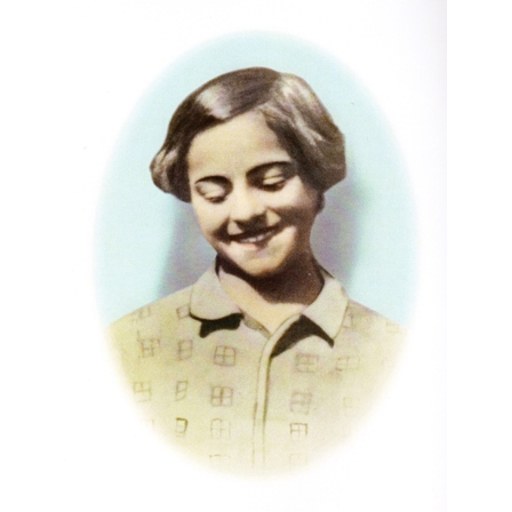
Domenico Berardi
License: CC BY-SA 3.0
Anfrosina Berardi
Venerable- Life Span
- 1920 - 1937 (age 17)
- Gender
- female
- Church
- Catholic
Places
Roles & Family
Biography
Anfrosina Berardi was an Italian Catholic laywoman of the early twentieth century whose local reputation for holiness later led the Diocese of L'Aquila to open a cause for beatification. She was born in 1920 in San Marco di Preturo, a rural hamlet belonging to L'Aquila in the Abruzzo region of central Italy, into a poor farming family. In the Catholic peasant culture of interwar Abruzzo, parish life, the Rosary, and the sacraments structured ordinary existence; from childhood Berardi was remembered as unusually attentive to prayer and to the Eucharist while still sharing the fieldwork, household labor, and limited schooling typical of a girl of her class and place.
She never entered a religious institute and remained in the lay state, living with her family until her death. Testimonies gathered after her death describe a reserved, charitable adolescent who helped neighbors in need, accepted hardship without complaint, and combined farm work with a hidden life of devotion. No reliable published source documents a spouse or children; she died unmarried in her mid-teens. Precise claims of visions or extraordinary mystical phenomena belong to local oral tradition and to diocesan files rather than to independent historical literature, and should be treated with caution.
In her sixteenth year she fell seriously ill. Medical care in rural Abruzzo in the 1930s was limited. She died in 1937 at San Marco di Preturo, aged sixteen. Burial took place locally. Almost at once a popular reputation for holiness arose among the people of Preturo and L'Aquila, a pattern familiar in Italian rural Catholicism when a young person of evident piety dies early.
In later decades that cultus persisted. The Diocese of L'Aquila eventually initiated a canonical inquiry, and she is known in Catholic reference works as a Servant of God. She has not been beatified or canonized, has no feast in the General Roman Calendar, and is not assigned official patronages. Scholarly biographies remain scarce; most accessible notices repeat diocesan and local hagiographical summaries. What can be stated with confidence is that Anfrosina Berardi belongs to the type of modern Italian popular holiness: a peasant girl of the interwar period whose brief, obscure life of piety and charity inspired a local devotion that the Church has begun, but not completed, to examine.