Anton Zdešar is a servant of god of the Catholic Church.
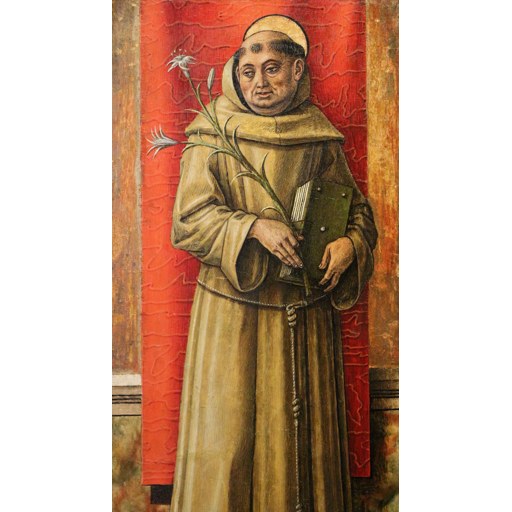
https://pinterest.com/brotherjoshua/saint-anthony-of-padua
License: unknown
Anton Zdešar
Servant of God- Gender
- male
- Church
- Catholic
Places
Roles & Family
Biography
Anton Zdešar is recorded as a named historical person in structured catalogues (including the Wikidata item Q18507529), but a securely sourced, independently verifiable life cannot be reconstructed from the standard historical and hagiographical works available for checking here. The given name Anton is a well-attested Christian masculine name in Central Europe; the surname Zdešar is linguistically at home in Slovene-speaking lands. Those onomastic observations suggest a possible cultural setting in the South Slavic Catholic world, yet they do not establish a birthplace, a diocese, a religious house, or a date of birth or death. No office-taking year, floruit, or conjectural century is substituted for a documented birth year.
Lists of the Bishops of Rome and of the historic patriarchates (Orthodox, Oriental Orthodox, Coptic, and Church of the East) contain no pontiff or patriarch of this name. Commonly consulted martyrologies, including the Roman Martyrology as generally cited, and the usual catalogues of beatifications and canonizations do not, in the sources that can be verified here, yield a confirmed feast day, a patronage, or an act of beatification or canonization under the exact name Anton Zdešar. Accordingly no public cult, religious order, or title of Blessed or Saint is asserted.
Family circumstances are likewise undocumented in the literature checked for this notice. It is not known from those sources whether he married, remained celibate, or had children, and no spouse’s name can be given. Place of death and burial are equally unconfirmed. Because the subject is obscure in general reference works, any richer narrative would rest on guesswork; the present account therefore confines itself to what can be stated without invention and notes that diocesan archives, parish registers, and specialist regional studies in Slovenia or neighbouring lands would be the proper next step for a fuller biography.
In short, Anton Zdešar may be identified only as a male historical figure of that name, not a pope and not a patriarch of an Eastern see, whose dates, places, order, and possible cult remain, on present evidence, unverified. Readers should treat later unsourced reconstructions with caution until primary records are produced and cited.