Antonia María de Oviedo y Schönthal is a venerable of the Catholic Church (1822 - 1898).
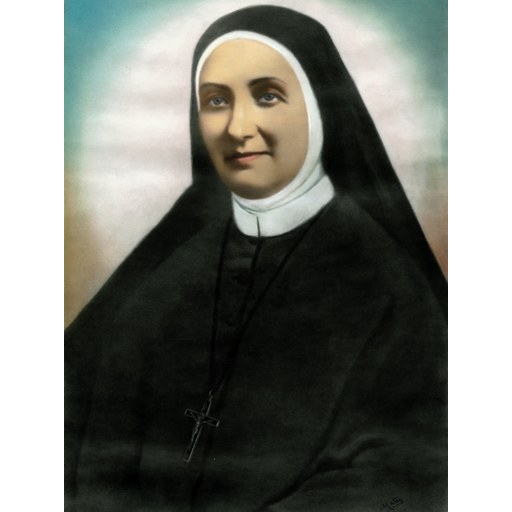
Garciman73
License: CC BY-SA 4.0
Antonia María de Oviedo y Schönthal
Venerable- Life Span
- 1822 - 1898 (age 76)
- Gender
- female
- Church
- Catholic
Places
Roles & Family
Religious Information
Biography
Antonia María de Oviedo y Schönthal was born on 16 March 1822 in Lausanne, Switzerland, to a Spanish father and a Swiss mother of the Schönthal family. She received a careful Catholic education and learned several languages. After her father’s death, family circumstances took her to Spain. She settled in Madrid and earned her living as a governess and instructor in well-to-do households, where her piety deepened and she began to feel a particular call to works of mercy among the poor and socially excluded.
In Madrid she encountered women trapped in prostitution and other forms of moral and social destitution. Convinced that they could recover their dignity through material help, education, and Christian formation, she devoted herself to this apostolate. In 1864, together with the Benedictine José María Benito Serra, a former missionary bishop, she founded the Congregation of the Oblate Sisters of the Most Holy Redeemer. The institute was established to receive women who wished to leave prostitution, offering them shelter, a disciplined religious environment, and the means to rebuild their lives.
As first superior of the new community, she directed its early growth amid the hardships typical of a young foundation and the particular difficulties of an apostolate that was often misunderstood. The congregation obtained diocesan approval and later recognition from the Holy See; houses were opened and the work expanded. She was known for practical charity, personal austerity, and maternal solicitude both for her sisters and for the women who came under their care.
She spent her final years at the motherhouse in Ciempozuelos, in the province of Madrid, and died there on 28 November 1898. She was buried in Ciempozuelos. The cause for her beatification was later introduced, and in 1997 Pope John Paul II declared her Venerable after the recognition of her heroic virtues. The Oblate Sisters of the Most Holy Redeemer remain active in several countries, continuing the charism of their foundress among women who suffer exploitation and social exclusion.