Antonio Lucci is a blessed of the Catholic Church (1682 - 1752). Antonio Lucci's feast day is celebrated on 25 July. Antonio Lucci is the patron saint of Agnone.
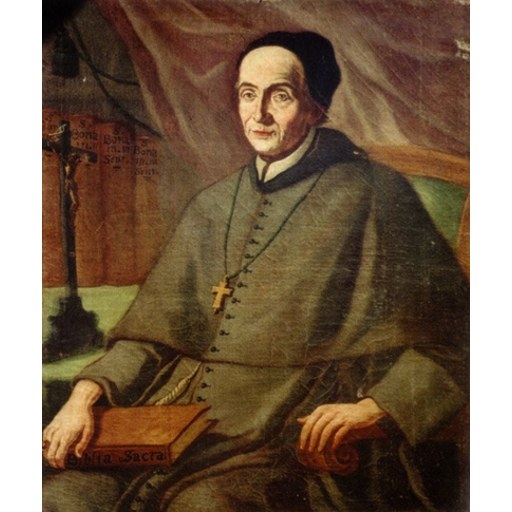
Unknown 18th century Italian portrait painter
License: Public domain
Antonio Lucci
Blessed- Life Span
- 1682 - 1752 (age 70)
- Feast Day
- 25 July
- Gender
- male
- Church
- Catholic
Places
Roles & Family
Religious Information
Patronage
Agnone
Canonization
Biography
Antonio Lucci was born Angelo Nicola Lucci on 2 August 1682 in Agnone, in the Kingdom of Naples in southern Italy, the youngest of twelve children of Francesco Lucci and Angela Paolantonio. He received his early schooling from the Conventual Franciscans of his hometown and entered their order in 1698, taking the religious name Antonio and making his solemn profession that same year. After studies in houses of the order he was ordained to the priesthood in 1705. He continued his theological formation, obtained a doctorate, and taught philosophy and theology, becoming known among the Friars Minor Conventual as a capable lecturer and preacher.
Within the order he also held offices of government, including service as minister provincial. His reputation for learning, regular observance, and personal austerity brought him to the notice of the Holy See. In 1729 Pope Benedict XIII appointed him Bishop of Bovino, a small residential see in Apulia. Benedict XIII himself conferred episcopal consecration on Lucci in Rome, a mark of the pope’s confidence in a religious whom he regarded as suited to reform and pastoral care rather than to courtly advancement.
Lucci governed the Diocese of Bovino from 1729 until his death. He resided in the diocese, carried out visitations, attended to the formation of clergy and the catechesis of the faithful, and was remembered for direct charity toward the poor. He maintained a simple manner of life consistent with his Franciscan profession and did not seek translation to a richer or more prominent see. Contemporary devotion later emphasized his combination of doctrinal seriousness, accessibility, and generosity in a modest rural bishopric of the Kingdom of Naples.
He died in Bovino on 25 July 1752 and was buried in the cathedral there. A local cult persisted, and a cause for beatification was introduced in the eighteenth century. He was eventually honored as Venerable, and Pope John Paul II beatified him on 18 June 1989 in Saint Peter’s Square. His liturgical memorial is kept on 25 July, and he is especially venerated in Agnone, his birthplace. As a professed Conventual Franciscan and later a Latin-rite bishop he lived in celibacy, had no spouse, and had no children. He was never Bishop of Rome and never held a patriarchal see.