Aristeus of Capua is a saint of the Catholic Church.
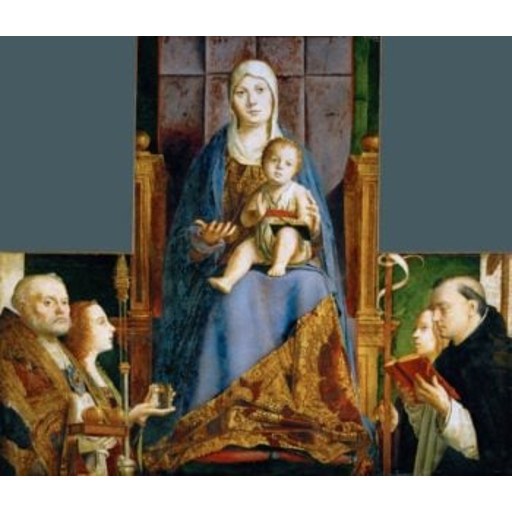
https://www.oceansbridge.com/oil-painting/art-collections/saints-collection/
License: unknown
Aristeus of Capua
Saint- Gender
- male
- Church
- Catholic
Roles & Family
Biography
Aristeus of Capua remains an obscure figure within the Christian hagiographical record of ancient Campania. Reliable historical sources from late antiquity and the early Middle Ages do not preserve a detailed biography, a date of birth or death, or an account of specific deeds. He is known principally through his toponymic designation linking him to Capua, a major city of Roman Italy that developed an important Christian community and episcopal see from the third century onward. Beyond this association, contemporary chronicles, conciliar lists, and inscriptions yield no securely attributable information about his life or ecclesiastical office.
Capua's Christian history includes well-attested bishops and martyrs whose cults left clearer traces in the archaeological and liturgical record. In contrast, Aristeus does not appear in the principal recensions of the Roman Martyrology or in the surviving acts of regional synods in a way that would allow historians to fix his floruit or confirm whether he held the episcopal dignity. Later local tradition in southern Italy may have retained his name among holy persons commemorated by the church of Capua, a common pattern for otherwise undocumented confessors and pastors of the early centuries.
Because no vita, passio, or authentic relic tradition has been identified, claims concerning martyrdom, miracles, or particular virtues cannot be verified. Hagiographers must therefore treat Aristeus with the same caution applied to many other poorly documented saints of Campania: his existence as a historical Christian of that region is plausible, yet the particulars of his career, family status, and death remain unknown. Modern catalogue entries, including the Wikidata identifier Q21660150, register him as a person of interest to hagiography without supplying additional primary evidence.
Consequently, any biographical sketch is necessarily limited to placing Aristeus within the broader context of early Christianity in Campania, a region that experienced both imperial persecution and the subsequent establishment of a stable church structure. Further archival or archaeological discoveries would be required to move beyond this cautious outline. Until such evidence appears, the life of Aristeus of Capua stands as an example of the many local holy figures whose memory survived in name only.