Beocca is a saint of the Catholic Church (d. 870). Beocca's feast day is celebrated on 10 April.
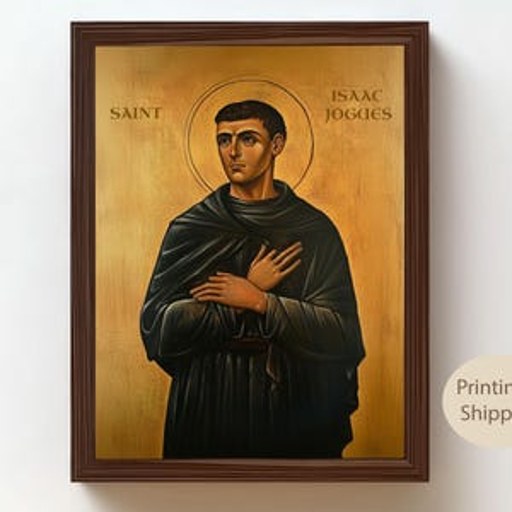
https://www.etsy.com/market/saint_portrait
License: unknown
Beocca
Saint- Life Span
- d. 870
- Feast Day
- 10 April
- Gender
- male
- Church
- Catholic
Places
Roles & Family
Religious Information
Biography
Beocca (sometimes spelled Becca) was a ninth-century Anglo-Saxon priest associated with the monastery of Chertsey Abbey in Surrey, in the kingdom of Wessex. The house had been founded in the seventh century by Erkenwald, later bishop of London, and belonged to the Benedictine tradition of early English monasticism. No contemporary document records Beocca’s parentage, place of birth, education, or the date at which he entered religious life. He is known solely through the later tradition of his martyrdom and through brief notices in medieval martyrologies and chronicles.
In the later ninth century England suffered repeated attacks by Danish Viking armies, often called the Great Heathen Army in the Anglo-Saxon Chronicle. Monasteries, which were both religious centres and repositories of movable wealth, were frequent targets. According to medieval English martyrologies and later chroniclers, Chertsey Abbey was among the houses destroyed. Beocca the priest was slain together with Hethor (also named Ethor, Hedda, or similar variants), who is described as a monk and in some accounts as abbot, and with a large number of the brethren. Later accounts give the number of monks killed as about ninety. The event is traditionally dated to the year 870, a time when Danish forces were active in southern England, although no annal written in the ninth century itself names Beocca or describes the attack on Chertsey in detail.
Memory of the massacre was preserved in the English church. Beocca and his companions were honoured as martyrs, and a feast on 10 April appears in some calendars and collections of saints’ lives. Twelfth-century historians such as William of Malmesbury alluded to the earlier devastation of Chertsey when recounting the history of the house, which was refounded after the Viking period. No authentic relics of Beocca are known to have been identified in later centuries, and no vita or passio of any length survives that would supply personal details, miracles, or a narrative of his last hours.
Beocca therefore remains an obscure saint whose historical profile is limited to his priesthood, his connection with Chertsey, and his death in a Viking raid as remembered by later generations. He was not canonized by a pope according to the procedures that developed in the later Middle Ages; his cult is an example of the older, local veneration of those who died in the destruction of English monasteries. Modern historical scholarship treats the story with caution, accepting the general fact of monastic casualties during the ninth-century invasions while noting that the specific names, numbers, and exact year rest on tradition rather than on strictly contemporary evidence.