Concessa is a saint of the Catholic Church.
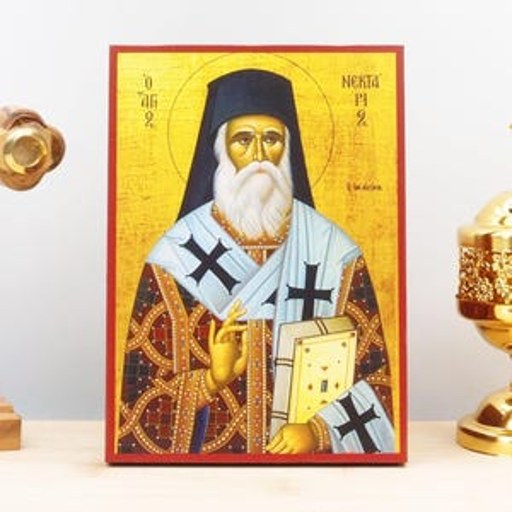
https://etsy.com/market/saints_pictures
License: unknown
Concessa
Saint- Gender
- female
- Church
- Catholic
Roles & Family
Biography
Saint Concessa is an obscure figure in Christian hagiography, known more from scattered martyrological notices and later local cults than from any substantial ancient biography. The Latin name Concessa, a feminine form related to the idea of something granted or conceded, appears among the names of early Christian martyrs, especially in traditions connected with Roman North Africa and with southern Italy. No reliable source preserves a verified year of birth or death, a birthplace, or a contemporary account of her life. Historians therefore treat her as one of the many early saints whose names survived in calendars and relic cults while almost all personal detail was lost.
Later tradition, especially in Campania, associates Concessa with martyrdom during one of the Roman imperial persecutions of the third or fourth century. Some notices link a martyr of this name with Carthage, a major centre of African Christianity that produced a large number of recorded martyrs. Other local Italian traditions speak of relics or a church dedication in the area of Naples, including San Giorgio a Cremano, where devotion to Santa Concessa has been noted in later centuries. Transfers of relics from Africa or from Rome to Campania were common in late antiquity and the early Middle Ages, which may explain how a cult of this name took root in southern Italy even if the original place of death cannot be confirmed.
No authentic passio or contemporary vita of Concessa has survived in a form that modern hagiographical scholarship regards as historically reliable. As with many martyrs known chiefly from martyrologies, later ages sometimes described her as a virgin martyr, but that characterization rests on liturgical custom rather than on documented evidence of her state of life. She was never the subject of a formal papal canonization of the later medieval or modern type. Any recognition of her cult belongs instead to the ancient, pre-congregational veneration of martyrs whose names entered local or Roman calendars. Claims of a precise feast day, a specific burial site, or a detailed narrative of interrogation and execution cannot be verified from sources of independent historical value.
Devotion to Concessa has remained largely regional rather than universal. Where her relics were believed to rest, she was invoked as an intercessor, yet no comprehensive, well-attested list of patronages—of towns, professions, illnesses, or particular groups—can be confirmed from the major hagiographical collections. The scarcity of information is typical of many early Christian names that liturgy preserved while biography did not. A careful historian can acknowledge that a Christian woman named Concessa was probably commemorated as a martyr in antiquity, and that a cult under that name existed in parts of Italy, without reconstructing a full life story or assigning unverified dates, places, or offices.