Confessor Gregory is a saint of the Catholic Church.
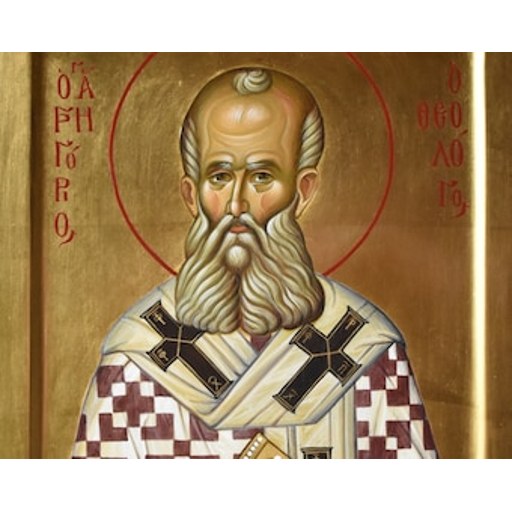
https://etsy.com/listing/1889682268/saint-gregory-the-theologian-icon-19th?lang_mismatch=1
License: unknown
Confessor Gregory
Saint- Gender
- male
- Church
- Catholic
Biography
The designation Confessor Gregory does not correspond to a single, uniquely identifiable historical person in the Christian calendars. Confessor (Latin confessor; Greek homologetes) is a class of saint: a Christian who suffered for the faith by imprisonment, exile, public trial, or torture, yet was not put to death. Gregory (Greek Gregorios) is among the most common names in late antique and medieval hagiography. Western martyrologies and Eastern menologia therefore contain many bishops, priests, and monks styled Gregory the Confessor or Gregory, bishop and confessor. Without a see, a toponym, a feast date, or a patronymic, the bare title cannot be matched to one biography, and dates of birth, places of origin, and family circumstances cannot be assigned without conflating distinct people.
One frequently cited candidate is Gregory of Dekapolis (Gregory the Decapolite), a Byzantine monk of the second iconoclast period. Traditional accounts place his origin in the Isaurian Decapolis of southeastern Asia Minor in the eighth or early ninth century. He is said to have entered monastic life young, to have wandered among communities in Asia Minor and the Aegean, and to have opposed imperial iconoclasm by teaching and example rather than by holding a great see. Later tradition locates his death in Constantinople in the mid-ninth century and keeps his memory on 20 November in the Byzantine rite. A Life attributed to Ignatios the Deacon circulated in Greek; modern historians treat its miracle stories and precise itinerary with caution, but they accept a ninth-century iconodule monk of that name as historical.
Another figure often given the same style is Gregory, bishop of Agrigentum (Agrigento) in Sicily. A long Greek Life, generally judged legendary and composed well after the events it claims to describe, sets him in the later sixth and early seventh centuries: a learned youth, a pilgrim to the Holy Land, an elected bishop, a victim of false accusation, and finally a vindicated pastor. Eastern churches commemorate a Gregory of Agrigentum in late November; Latin martyrologies likewise list a Gregory, bishop and confessor, of Agrigentum. Because the narrative is heavily stylized, independent confirmation of his birth year, the exact length of his episcopate, or the place of his burial is lacking, and he should not be used to fill chronological fields under the generic heading Confessor Gregory.
Other Gregories sometimes called confessor include local monks and bishops who suffered under iconoclast emperors or later Ottoman rule, as well as, more loosely, great Fathers better known by other epithets—Gregory of Nazianzus the Theologian, Gregory Palamas of Thessaloniki, or Pope Gregory I the Dialogist. None of these is uniquely or primarily titled Confessor Gregory in standard reference works. Patronages, spouses, children, and formal acts of canonization or beatification are likewise attached to particular cults, not to the undifferentiated name. Early confessors were typically recognized by popular acclamation and liturgical insertion rather than by a named pope or congregation; later local saints may have been glorified by a particular synod, but that act cannot be assigned here.
Hagiographical texts of this type emphasize ascetic discipline, defense of received doctrine (especially the veneration of icons in the Byzantine cases), endurance of calumny or imperial pressure, and posthumous miracles. Those themes recur across the several Gregories and should not be read as a single continuous life. In the absence of a more precise identifier, the responsible course is to leave birth and death years, cities, burial place, order, marital status, papal or patriarchal office, feast day, and patronage blank rather than guess. Liturgical books of a given church, with their dates and synaxarion notices, remain the only safe way to determine which Confessor Gregory is intended in a particular commemoration.