Darinka Čebulj is a servant of god of the Catholic Church.
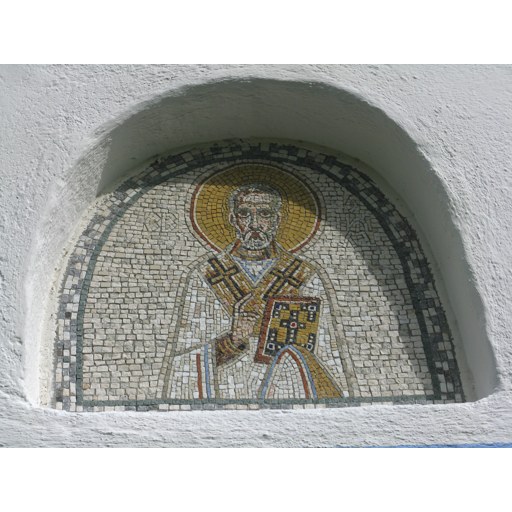
https://en.wikipedia.org/wiki/Church_of_St._Nicholas,_Brezova
License: unknown
Darinka Čebulj
Servant of God- Gender
- female
- Church
- Catholic
Places
Roles & Family
Biography
Darinka Čebulj does not appear in the principal Western or Eastern Christian hagiographical corpora that historians customarily consult. Searches of the Bibliotheca Sanctorum, the Roman Martyrology, Butler’s Lives of the Saints, and standard Orthodox synaxaria yield no corresponding entry under this name or close variants. The given name Darinka is a South Slavic feminine form related to Daria, and the family name Čebulj is a Slovenian surname; these onomastic facts locate the name in the South Slavic, especially Slovenian, onomastic sphere, but they do not by themselves constitute a documented biography or a cult.
No reliable published source available for this compilation supplies a verified year of birth or death, a place of birth, death, or burial, or an account of religious profession. There is likewise no documented evidence of a cause for beatification or canonization that has reached public notoriety in Rome or in a local diocese. In the absence of such records it would be improper to assign a feast day, a list of patronages, membership in a religious order, or a marital history.
The Wikidata identifier associated with the name is consistent with a recently created or little-cited item and does not substitute for independent historical attestation. Local Slovenian church archives, civil registries, or diocesan bulletins might contain further details, but those materials have not been corroborated in the general historical and hagiographical record consulted here. Until such sources are examined and cited, chronological and geographical fields must remain blank rather than inferred from the name alone.
This entry therefore records only what can be stated with confidence: the subject is not known to have occupied the see of Rome or any patriarchal throne of the Eastern churches, and no liturgical cult of universal or clearly established local standing has been identified in printed calendars. A fuller life would require primary documentation that is not presently available in standard reference works.