David II of Trebizond is a saint of the Catholic Church (d. 1463). David II of Trebizond's feast day is celebrated on 1 November.
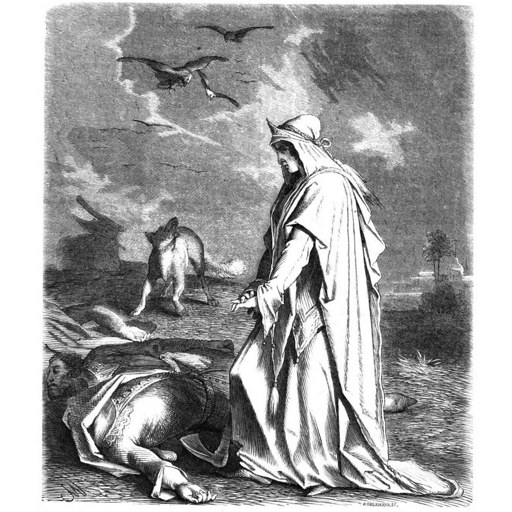
various
License: Public domain
David II of Trebizond
Saint- Life Span
- d. 1463
- Feast Day
- 1 November
- Gender
- male
- Church
- Catholic
Places
Roles & Family
Religious Information
Canonization
Biography
David Megas Komnenos, often numbered David II, was the last emperor of Trebizond, the Byzantine Greek successor state that had survived on the southern shore of the Black Sea since the early thirteenth century. He was a younger son of Emperor Alexios IV Megas Komnenos and Empress Theodora Kantakouzene, and thus a member of the Grand Komnenos dynasty. His elder brothers included John IV, who reigned as emperor, and Alexander (sometimes called Skantarios). No surviving source records a precise date or place of birth; historians place him in the early fifteenth century. In the 1420s, while holding the court dignity of despot under his brother, he married Maria of Gothia, daughter of the prince of Theodoro in the Crimea, a match that belonged to Trebizond’s Black Sea diplomacy. After her death he married Helena Kantakouzene, of the Kantakouzenos family. As despot he took part in the military and diplomatic business of a small empire already caught between the Ottoman Turks and the Turkmen powers of eastern Anatolia.
When John IV died around the end of the 1450s, the throne passed briefly to John’s young son Alexios V. David deposed his nephew and assumed the imperial title himself, probably in 1460. The moment was desperate. Constantinople had fallen to Sultan Mehmed II in 1453, and the Ottomans were determined to extinguish the remaining Greek polities. David tried to preserve Trebizond by tribute and alliance, looking especially to Uzun Hasan of the Aq Qoyunlu (White Sheep) Turkmens, who was married to Theodora (Despina Khatun), a daughter of John IV and thus David’s niece. Appeals to Western and other Christian courts produced little aid. In 1461 Mehmed II campaigned along the Black Sea, reduced Sinope, overawed the Turkmen, and invested Trebizond. With no relief in prospect, David accepted terms of surrender in August 1461. The city was handed over; the emperor, his family, and many notables were promised honorable retirement.
Mehmed at first assigned David estates in the Strymon (Struma) valley in Macedonia, with a substantial income, and treated the former imperial household as high-ranking detainees. In 1463 the sultan accused David of treasonous correspondence with Uzun Hasan. Greek historians of the period report that letters involving Despina Khatun, and a request that a son of David be sent to the Aq Qoyunlu court, were used as evidence. David, several of his sons, and his nephew Alexios were arrested, taken to Constantinople, and put to death on 1 November 1463. Contemporary accounts indicate that they were offered their lives if they converted to Islam and that they refused. Their bodies were left unburied for some days until a Christian woman saw to their burial. Helena is variously said to have died of grief or to have been humiliated; at least one young son is reported to have been spared on account of his age and raised as a Muslim. Daughters of the family were married off or placed in Ottoman households.
Later Orthodox tradition regarded David and those executed with him as martyrs who died rather than abandon the Christian faith. On 10 July 2013 the Holy Synod of the Church of Greece formally glorified Emperor David, his sons, and his nephew Alexios as saints, appointing 1 November as their feast. Their cult remains little known outside specialist and local Orthodox circles, and they have not acquired a wide range of popular patronages. Historically, David’s brief reign closed the last independent Byzantine Greek state. Trebizond had outlasted Constantinople by eight years; with its fall and the execution of the Grand Komnenoi, the medieval Greek imperial idea in Anatolia came to an end. Modern historians still debate how far David’s diplomacy with Uzun Hasan was a genuine Ottoman threat and how far Mehmed’s action was a calculated removal of a possible focus of Christian or Turkmen opposition.