Deacon Ammon is a saint of the Catholic Church. Deacon Ammon's feast day is celebrated on September 1.
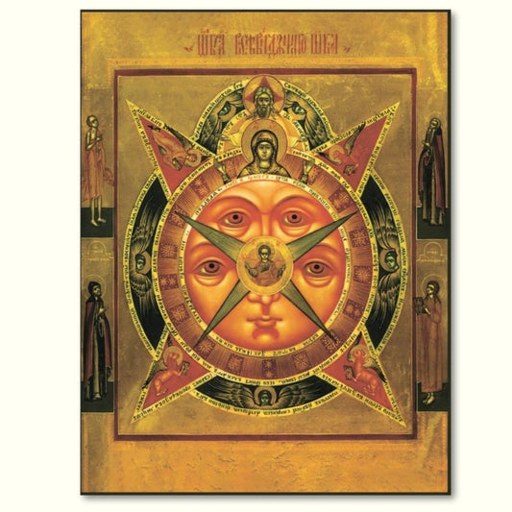
https://iconsofsaints.com/products/holy-martyr-and-deacon-lawrence-of-rome-wooden-orthodox-icon
License: unknown
Deacon Ammon
Saint- Feast Day
- September 1
- Gender
- male
- Church
- Catholic
Places
Roles & Family
Biography
Deacon Ammon is an early Christian martyr known almost exclusively from a brief notice in the Roman Martyrology, which commemorates him on 1 September together with forty unnamed holy virgins. According to that entry, Ammon served as a deacon at Heraclea in Thrace, instructed the virgins in the Christian faith, and then led them to martyrdom, dying with them. No independent contemporary passio, trial record, or other narrative source for his life has survived in a form that can be verified, and later hagiographical collections largely repeat the same short martyrological statement without adding securely attested detail.
Heraclea in Thrace, also called Heraclea Perinthus, was a significant city of the late Roman province of Europa on the Propontis. Later writers have commonly associated the martyrdom with the empire-wide persecution under Diocletian and his colleagues in the early fourth century, but the martyrology itself names neither the emperor nor the local officials, nor does it give a year. In the absence of a fuller account it is not possible to establish Ammon’s place of birth, the date or circumstances of his ordination to the diaconate, the identity of the forty virgins, or the precise manner of their deaths.
Nothing reliable is recorded concerning Ammon’s family, whether he was married, or whether he belonged to any monastic community; he appears in the sources simply as a deacon of the local church. His cult remained modest and is not known to have been attached to a major shrine, a specific patronage, or an extensive legendary cycle. Memory of him was preserved principally through the liturgical commemoration on 1 September, in which he stands as an example of a cleric who both taught the faith and sealed that teaching by martyrdom alongside those he had instructed.
Early martyrological notices of this type often pair a named cleric with a round number of unnamed companions, a pattern that may reflect a genuine local tradition, the condensation of several episodes, or later liturgical grouping. Cautious historical reading therefore accepts the existence of a deacon named Ammon who suffered at Heraclea while remaining unable to confirm further biographical facts. No verified year of birth or death, no burial site, and no record of formal canonization by a named pope or synod can be established from the surviving evidence.