Dotto is a saint of the Catholic Church. Dotto's feast day is celebrated on 9 April.
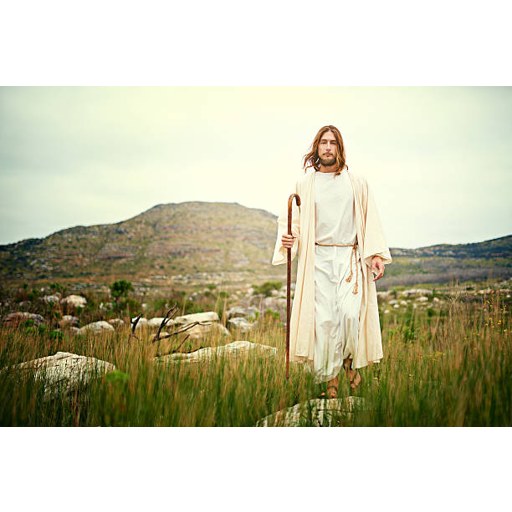
https://gettyimages.com/photos/saint-portrait
License: unknown
Dotto
Saint- Feast Day
- 9 April
- Gender
- male
- Church
- Catholic
Places
Roles & Family
Biography
Saint Dotto is among the more obscure names preserved in the calendars of the early medieval Church in the British Isles. Later hagiographical tradition identifies him as an Irish abbot who governed a monastery in the Orkney Islands, off the northern coast of Britain. He is conventionally placed in the sixth century; compilers drawing on Scottish calendars, notably Alban Butler, recorded that he died about the year 502. No contemporary chronicle, charter, inscription, or archaeological find can be securely attached to him, and no medieval vita of any length is known to survive. His memory rests almost entirely on brief liturgical notices rather than on a narrative life.
The tradition that Dotto ruled a monastic house in the Orkneys places him, in the eyes of later writers, among the Irish monks who travelled as peregrini and led communities beyond Ireland. Sixth-century Irish monasticism was marked by severe asceticism, scriptural study, and a readiness for missionary or eremitical journeys. Whether an organized monastery actually existed in the Orkney archipelago at so early a date is historically doubtful. The Christianization of the Northern Isles is more commonly associated with later Pictish and subsequently Norse developments, so the attribution of a sixth-century abbacy there may reflect legendary expansion of Irish saints’ cults rather than a documented foundation.
Dotto’s feast has been observed on 9 April. He is not treated at any length in the principal Irish martyrologies in a way that would supply further biographical detail, nor is he the subject of miracle collections or local foundation legends that have come down to us. Subsequent compilers repeated the essential points of an Orkney abbacy and an approximate date of death without being able to add the names of disciples, the character of any monastic rule, or a place of burial. Like most saints of the first millennium, he was never the object of a formal papal canonization of the later medieval type; veneration arose from liturgical commemoration and regional tradition.
The extreme scarcity of evidence means that almost nothing can be stated with confidence about his birthplace within Ireland, his family, his formation, or the circumstances of his death. He remains an example of those early insular monastic names that continued to be honoured even after the narrative substance of their lives had been lost. Modern historical method can do little more than record the traditional notices and observe the chronological and geographical difficulties they present.