Elena Spirgevičiūtė is a servant of god of the Catholic Church (1924 - 1944).
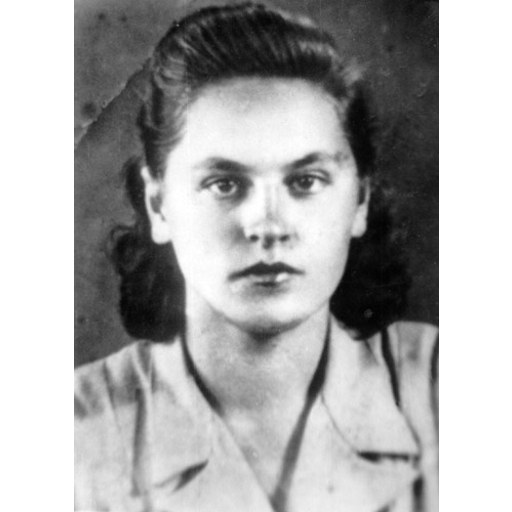
Lithuanian1
License: CC BY-SA 4.0
Elena Spirgevičiūtė
Servant of God- Life Span
- 1924 - 1944 (age 20)
- Gender
- female
- Church
- Catholic
Places
Roles & Family
Biography
Elena Spirgevičiūtė was born on 22 December 1924 in Kaunas, in the then independent Republic of Lithuania, into a modest Catholic family of working people. She grew up in the interwar Lithuanian state, received a Catholic upbringing, and attended school in Kaunas, where she was known as a serious and devout student. Contemporary and later Catholic accounts describe her as regular in prayer and the sacraments, devoted to the Virgin Mary, and active in the religious life of a young laywoman rather than as a member of any religious order. She kept a personal diary whose surviving passages later became a principal source for her interior life: they show a teenager consciously striving for purity, fidelity to Christ, and moral courage amid the political and military disasters that overtook Lithuania in the early 1940s.
The Second World War brought successive occupations to Lithuania—Soviet in 1940–1941, then German from 1941—with the Soviet front again approaching in 1944. Elena remained a lay Catholic in Kaunas during these years. On the night of 3 January 1944, while she was staying in the city with her aunt, a group of armed men forced their way into the apartment. Lithuanian Catholic tradition and the materials assembled for her cause identify the intruders as Soviet partisans or members of a Soviet sabotage group. After demanding valuables they attempted to sexually assault the nineteen-year-old Elena. According to the accounts that established her reputation for martyrdom, she refused, stating that she would rather die than surrender her virginity. She was shot and killed; her aunt was murdered as well.
In the following decades Elena Spirgevičiūtė came to be remembered among Lithuanian Catholics as a martyr of purity, frequently compared with Saint Maria Goretti. Her diary and the circumstances of her death circulated in Catholic circles even under Soviet rule, when public cult was restricted. After the restoration of Lithuanian independence, the Archdiocese of Kaunas opened a diocesan inquiry into her life and death. She is recognized in the Catholic Church as a Servant of God; she has not been beatified or canonized, and she holds no universal feast day or official patronages. Her story is that of a lay young woman of twentieth-century Lithuania who, in the violence of occupation, was held by her community to have witnessed unto death to the Christian ideal of chastity.