Elisabeth Leseur is a servant of god of the Catholic Church (1866 - 1914).
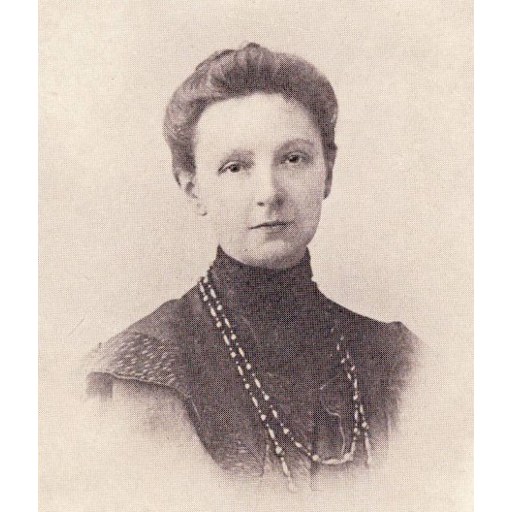
unkwonw
License: CC BY-SA 4.0
Elisabeth Leseur
Servant of God- Life Span
- 1866 - 1914 (age 48)
- Gender
- female
- Church
- Catholic
Places
Relics & Where to Venerate
Location unknown
The bodily remains of Elisabeth Leseur are a first-class relic. Venerated at Cimetière parisien de Bagneux.
Roles & Family
Religious Information
Biography
Élisabeth Leseur, born Pauline Élisabeth Arrighi on 16 October 1866 in Paris, belonged to a well-to-do bourgeois family of Corsican origin and grew up in the cultured Catholic milieu of late nineteenth-century France. She received a solid education, was widely read, and was noted for intelligence, linguistic ability, and an interest in art and travel. In 1889 she married Félix Leseur, a physician whose convictions were firmly atheistic and anti-clerical. The marriage, though marked by this deep religious disagreement, was described by those who knew them as affectionate and stable. The couple had no children. Élisabeth remained a practicing Roman Catholic and did not abandon her faith under the pressure of her husband’s unbelief.
Rather than engage in open controversy, she adopted what later readers of her papers have called a hidden apostolate: prayer, sacrifice, and the offering of ordinary duties and of physical suffering for the conversion of her husband and for others. She kept a spiritual journal and wrote letters that reveal an interior life centered on Christ, on the communion of saints, and on intercession. She also undertook charitable work among the poor in Paris. Her spirituality, as later published, emphasized patience, humility, and the redemptive value of suffering accepted in union with the Passion, without theatrical display or public campaigning.
From the early twentieth century her health deteriorated. She endured prolonged illness, including cancer, and faced medical treatment and decline with the same interior discipline recorded in her notebooks. She died in Paris on 3 May 1914. After her death Félix discovered her journals and private writings, which documented years of prayer for him and her hope for his return to the Church. The discovery was decisive in his conversion to Catholicism. He later entered the Dominican Order and was ordained a priest, thereafter editing and promoting his late wife’s writings.
Those writings, issued posthumously (notably her journal and related spiritual notes and letters), circulated widely in the twentieth century and presented Élisabeth as a model of lay holiness, especially of fidelity and intercession within a mixed-belief marriage. A cause for her beatification was opened in the Archdiocese of Paris, and she is known in the Catholic Church as a Servant of God. She has not been beatified or canonized and has no universally assigned feast day or official patronages. She lived and died as a married laywoman and is not recorded as a member of a religious order.