Felix is a saint of the Catholic Church.
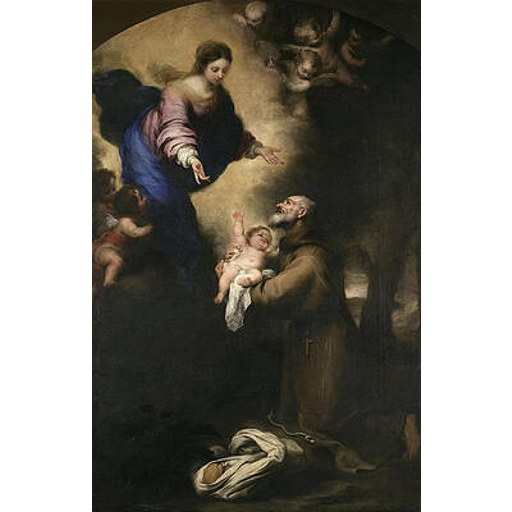
https://fineartamerica.com/art/paintings/st+felix
License: unknown
Felix
Saint- Gender
- male
- Church
- Catholic
Biography
The single given name Felix is not enough to identify one historical person. In Latin the name means happy or fortunate, and it was borne by many Christian martyrs, bishops, popes, and later religious from the Roman period through the early modern era. Without a place (Nola, Cantalice, Valois, Nicosia, and so on), a papal numeral, a companion’s name, a feast date, or a catalogue identifier, no unique vita can be verified and no birth year, death year, or office can be assigned.
Figures commonly distinguished in the martyrologies and papal lists include a third-century Bishop of Rome later called Felix I; a fifth-century Bishop of Rome called Felix III; a sixth-century Bishop of Rome called Felix IV; Felix of Nola, a Campanian priest or bishop whose cult is ancient but whose exact dates are uncertain; the Capuchin Felix of Cantalice in the sixteenth century; and Felix of Valois, associated in later tradition with the Trinitarians. These men lived in different centuries, held different offices, and have different (and sometimes poorly documented) cults. Treating them as one person would invent false dates and false titles.
Because the request gives only the name Felix and states that Wikidata and Wikipedia identifiers are unknown, every structured field that depends on a single, source-backed identification is left blank. A birth year must not be replaced by the year someone became bishop or pope. Patronages, burial places, and canonization attributions likewise belong to particular homonyms and cannot be listed in the aggregate without error.
Hagiographers therefore treat Saint Felix as a homonym that has to be disambiguated before a biography is written. Anyone seeking a particular Felix should supply a region, century, feast day, religious order, or other unique marker. Until then, caution requires silence on the facts rather than a composite saint.