Felix is a saint of the Catholic Church.
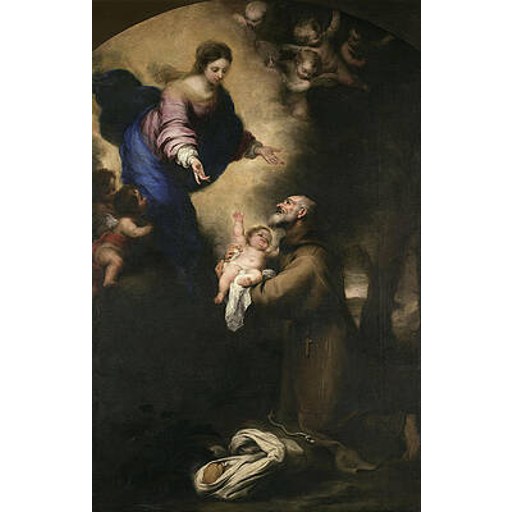
https://fineartamerica.com/art/paintings/st+felix
License: unknown
Felix
Saint- Church
- Catholic
Biography
The single name Felix, without a toponym, century, papal or episcopal number, religious order, feast date, or catalogue identifier, does not correspond to one verifiable historical person. Felix (Latin for “happy” or “fortunate”) is among the most frequently attested names in Christian hagiography. Roman, African, and later medieval calendars commemorate numerous martyrs, confessors, bishops, and popes so called. Assigning a birth year, death year, city, order, or patronage list to an unspecified Felix would be conjecture, and office-taking dates cannot be substituted for a birth year.
Better-documented bearers of the name include several bishops of Rome: Felix I, placed by the traditional papal lists in the third century; Felix III (sometimes numbered II), a late-fifth-century Roman pontiff from a senatorial family; and Felix IV (sometimes numbered III), who held the Roman see in the early sixth century. None of these identifications can be imposed on a bare name. Other widely culted figures include Felix of Nola, a priest of Campania whose legend is intertwined with that of Bishop Maximus; Felix of Cantalice, a sixteenth-century Capuchin lay brother; and Felix of Valois, associated in medieval tradition with the Trinitarians. Each has a distinct cult, feast, and (where the sources allow) life, and none can be treated as the default “Saint Felix.”
Martyrologies also record many otherwise obscure men named Felix, often with little more than a place of suffering and a feast. African and Roman lists of the late antique period are especially rich in such entries. In those cases even the century and the reliability of the passio are frequently uncertain; later legend regularly expanded thin earlier commemorations. Hagiographers therefore treat an isolated “Felix” as an index heading covering many persons, not as a single biography.
Because this query supplies no Wikidata identifier, Wikipedia article, epithet, or other disambiguation, no field below can be filled from a reliable source attached to one individual. A usable record would require at least a place-name (for example Nola, Cantalice, or Valois), a papal number, a religious order, or a clearly identified feast. Until then the subject remains historically unspecified.