Felix is a saint of the Catholic Church.
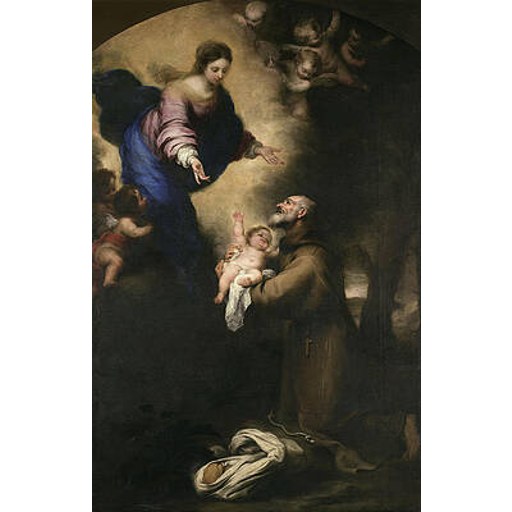
https://fineartamerica.com/art/paintings/st+felix
License: unknown
Felix
Saint- Church
- Catholic
Biography
The single given name Felix, from Latin felix meaning happy or fortunate, is one of the most frequently recurring names in Christian hagiography and church history. No Wikidata identifier, encyclopedia article, toponym, century, feast date, or ecclesiastical title was supplied with this request. Without at least one of those disambiguators it is not possible to attach a verified life to a unique person. The Roman Martyrology, Eastern calendars, and later Catholic and Orthodox cults record numerous distinct men named Felix: popes of Rome, early martyrs of the imperial persecutions, a priest of Nola in Campania, a legendary co-founder associated with the Trinitarians, a Capuchin lay brother of the sixteenth century, and many local or companion martyrs whose dossiers are thin. Treating them as one subject would invent a composite biography.
Among figures who can be documented separately, a Bishop of Rome called Felix is placed in the third century in the papal lists; another Felix of Rome is numbered among later popes. Felix of Nola is attested in late antique Campanian tradition and in the poetry of Paulinus of Nola, who promoted his cult. Medieval legend later connected a Felix of Valois with the Order of the Most Holy Trinity, though modern historians treat large parts of that vita as unhistorical. Felix of Cantalice, a Capuchin brother who died in 1587, belongs to a well-documented early modern Italian cult. Each of these men has a different death date, burial, feast, and (where any exist) patronage. Early martyrologies also pair the name Felix with companions such as Adauctus or with African and Roman groups of martyrs, often without independent biographical detail beyond a feast and a place of commemoration.
Because the intended individual cannot be identified, no year of birth or death, no city or country of birth or death, no burial site, no religious order, and no spouse or children can be verified. Whether the subject was a pope, a patriarch, a monk, or a lay martyr is likewise unknown. Feast days attached to the various homonyms fall on different dates in January, May, July, November, and other months depending on the local calendar. Patronages, where they exist at all, belong to particular cults (for example Nola or Cantalice) and cannot be listed for an unspecified Felix. Canonization and beatification processes, when they occurred, were carried out by different authorities in different centuries.
Hagiographical reuse of popular names further cautions against filling gaps by analogy. Martyrologies sometimes copied a Felix from one city into another, or attached the name to a group of unnamed dead. In such cases even the century and region remain uncertain. This record therefore leaves every structured field empty rather than guess. A usable biographical entry would require a place-name, a papal numeral, a religious order, a feast day, or another unique marker so that one historical dossier can be separated from the many others that share the name.