Felix is a saint of the Catholic Church.
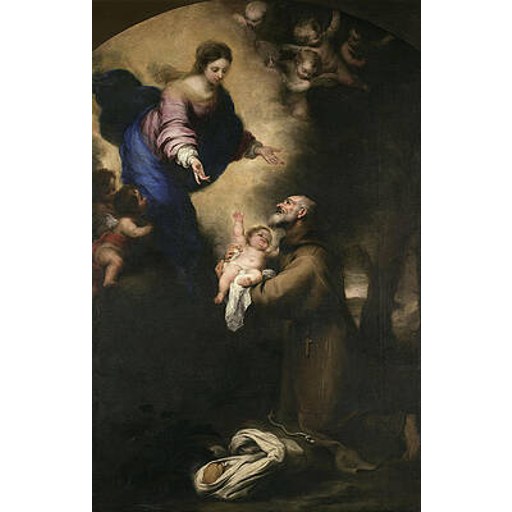
https://fineartamerica.com/art/paintings/st+felix
License: unknown
Felix
Saint- Gender
- male
- Church
- Catholic
Biography
The single name Felix, from Latin felix meaning happy, fortunate, or blessed, was borne by a great many distinct Christian figures: Roman-era martyrs, bishops of Italian, African, and other sees, several Bishops of Rome, and later medieval and early modern religious. Late antique and medieval martyrologies, papal catalogues, and local calendars therefore contain numerous non-identical persons called Felix. The present request supplies no epithet (such as of Nola or of Cantalice), no companion’s name, no feast date, no see, no century, and no catalogue identifier. Under those conditions a unique historical individual cannot be verified, and birth year, death year, places, offices, order, family status, patronage, and canonization data must be left blank rather than filled by conjecture. Office-taking years for any pope or bishop named Felix are not birth years and are not used here.
Among better-attested bearers of the name, several Bishops of Rome were called Felix. Felix I is placed by the Liber Pontificalis and later tradition in the third century and is commemorated as a saint; later Roman pontiffs numbered Felix (with numbering complicated by antipopes and disputed successions, including the figures often styled Felix II, III, and IV) belong to late antiquity and the early Middle Ages. None of these papal identifications can be applied to an unspecified Felix. Outside Rome, Felix of Nola, a priest of Campania whose cult was already celebrated by Paulinus of Nola in the late fourth and early fifth centuries, is among the most widely venerated early saints of the name; later legend sometimes calls him a bishop, which is not securely established for the historical priest. Roman tradition also preserves the pairing of the martyrs Felix and Adauctus. African and other Western lists include further bishops and martyrs named Felix, including figures associated with Carthage and with various Italian towns, who cannot be collapsed into one biography.
In the high and later Middle Ages the name continued in use. Felix of Valois is linked in later hagiography with the origins of the Trinitarian order; modern historical criticism treats much of that vita as late and uncertain, so dates and family details attached to him in popular accounts are not treated here as verified for an unidentified subject. In the sixteenth century Felix of Cantalice (a Capuchin lay brother who died in 1587) is a comparatively well-documented historical person later canonized; he is a different individual from the late antique martyrs and popes. Eastern calendars likewise retain martyrs and hierarchs named Felix who are not identical with the Western figures above. Patronages, feast days, and burial sites differ from cult to cult and cannot be listed for an unnamed Felix without mixing several people.
Because the subject is not uniquely identified, marital status, children, religious order, papal or patriarchal office, canonizing or beatifying authority, and a patronage list remain unknown. Gender is given as male solely because Felix is a Latin masculine given name and the historically attested Christian saints, popes, and martyrs of this name are men; that does not identify which man is meant. Anyone seeking a particular Saint Felix should supply at least a place-name epithet, a century, a companion martyr, a religious order, a feast day, or a stable catalogue identifier such as a Wikidata Q-number. Until then, no single verified life can be written, and blank fields are preferred to a wrong or composite saint.