Felix Ist is a saint of the Catholic Church (d. 274). Felix Ist's feast day is celebrated on 30 December.
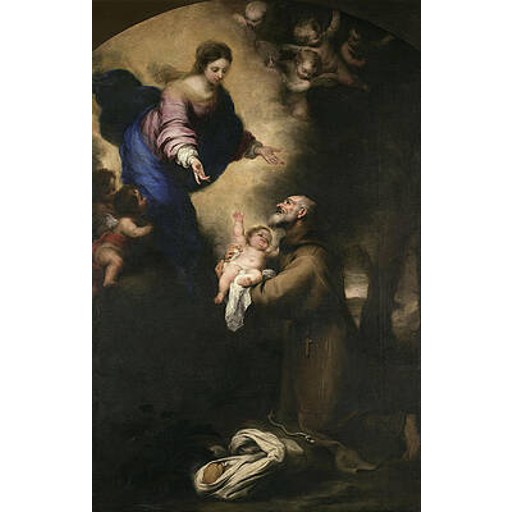
https://fineartamerica.com/art/paintings/st+felix
License: unknown
Felix Ist
Saint- Life Span
- d. 274
- Feast Day
- 30 December
- Gender
- male
- Church
- Catholic
Places
Roles & Family
Biography
Felix I was Bishop of Rome from 269 until his death in 274. Almost nothing can be established with certainty about his life before he became pope. The Liber Pontificalis, compiled long afterward, states that he was a Roman by birth and the son of a man named Constantius. No contemporary source records his date of birth, his education, or the details of his earlier clerical career. He succeeded Pope Dionysius during a comparatively quiet interval for the Church, after the persecution under Valerian and before the later campaigns of Diocletian.
The most important episode associated with his pontificate is the case of Paul of Samosata, the bishop of Antioch who had been deposed by Eastern synods for an adoptionist or monarchian teaching that denied the full divinity of Christ. Felix is traditionally credited with a letter to Maximus of Alexandria setting out the doctrine that the Word of God became truly incarnate and that Jesus Christ is both God and man. When Paul refused to surrender the church building in Antioch, the dispute was referred to the Emperor Aurelian. Aurelian ruled that the property should go to those in communion with the bishops of Italy and of Rome, an early sign of the practical prestige already attached to the Roman see even in the East.
Later tradition, again largely dependent on the Liber Pontificalis, claimed that Felix ordered Masses to be celebrated over the tombs of martyrs and that he himself died a martyr. Modern historians regard the martyrdom as unhistorical: his death fell in a time of peace, and the title was probably transferred from another saint of the same name, in particular a martyr associated with the Via Aurelia. Notices that he built a basilica on that road are likewise considered the result of confusion with a different Felix.
Felix died on 30 December 274 and was buried in the papal section of the Catacomb of Callixtus on the Via Appia. His cult is ancient; the Depositio episcoporum of 354 already records his burial on that date. Medieval martyrologies sometimes conflated him with the fourth-century antipope Felix II, which produced a secondary commemoration on 30 May in some calendars. He is venerated as a saint in the Catholic Church. No specific, widely attested patronages are attached to him in reliable sources.