Ferriol de Limoges is a saint of the Catholic Church (d. 591).
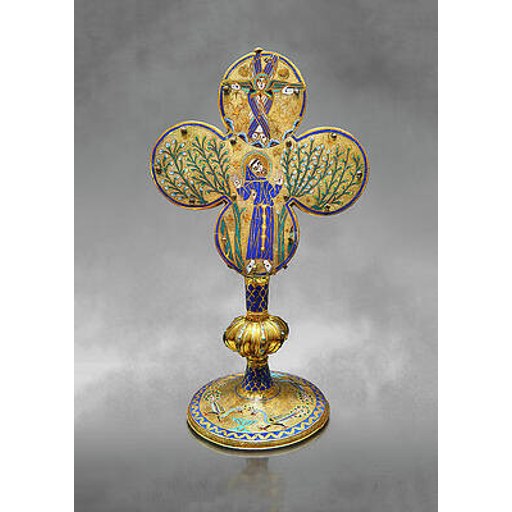
https://fineartamerica.com/art/paintings/limoges
License: unknown
Ferriol de Limoges
Saint- Life Span
- d. 591
- Gender
- male
- Church
- Catholic
Places
Roles & Family
Biography
Ferriol de Limoges, known in Latin as Ferreolus Lemovicensis, was bishop of the diocese of Limoges in Aquitaine during the Merovingian period of the sixth century. The city of Limoges, situated in what is now central France, possessed an ancient Christian community whose foundation was attributed in local tradition to Saint Martial, one of the missionary bishops of Gaul. Ferriol's episcopate fell in the later decades of the century, a time when the Frankish kingdoms were divided among the descendants of Clovis and when the Gallic church regularly assembled in councils to regulate doctrine, discipline, and relations with the royal power. He is one of the better-attested bishops of Limoges from this era because his name appears in both narrative history and conciliar documents.
The principal contemporary witness is Gregory of Tours, whose Ten Books of Histories remain the essential source for the political and ecclesiastical life of sixth-century Gaul. Gregory refers to the bishop of Limoges in the context of the events of the 580s. Ferriol is further recorded as a participant in the Council of Mâcon held in 585. That assembly, summoned with the support of King Guntram, issued canons concerning the observance of Sunday, the protection of church property, the status of Jews, and the moral conduct of clergy and laity. Attendance at such a council demonstrates that Ferriol was an active member of the episcopal college of the Frankish realms and that his see was regarded as sufficiently important to be represented.
No reliable information survives concerning his birth, parentage, or the path by which he entered the clergy and rose to the episcopate. In the sixth century the bishops of Gaul were drawn overwhelmingly from the Gallo-Roman aristocracy; they were often men of letters who had held civil office before receiving holy orders, or who belonged to families that had supplied bishops for generations. Whether Ferriol fit this pattern cannot be confirmed. Likewise, nothing is known of any theological writings, monastic foundations, or particular acts of charity that later hagiographers might have attributed to more famous saints. The silence of the sources is typical rather than exceptional for all but a handful of Merovingian prelates.
According to traditional chronology he died in 591. He came to be venerated as a saint, as were many bishops of the period whose memory was preserved in local liturgical calendars and in the dedication of churches or altars. No early passio or vita of Ferriol is extant, and later medieval notices remain summary. His cult did not achieve the wide diffusion enjoyed by some of his namesakes, such as the martyr Ferreolus of Vienne or Ferreolus of Uzès. Distinguishing among the several saints called Ferréol or Ferreolus in the Gallic sanctoral has been a recurring task for hagiographers. In the absence of further documentation, Ferriol de Limoges remains a figure known primarily through the institutional record of his bishopric and the brief mentions of a contemporary historian.