Gaspar Dragonetti is a servant of god of the Catholic Church.
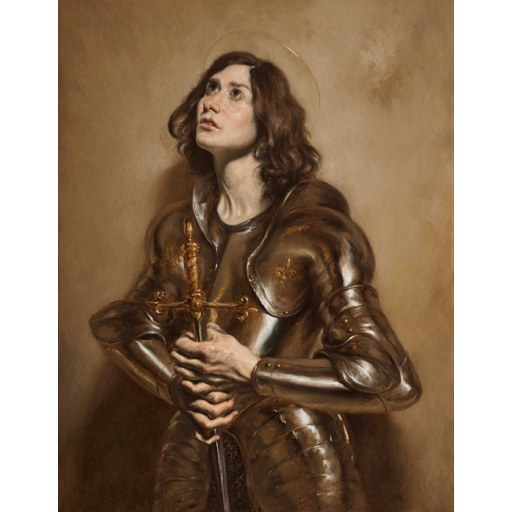
https://pinterest.com/ideas/giovanni-gasparro/929787702182
License: unknown
Gaspar Dragonetti
Servant of God- Gender
- male
- Church
- Catholic
Places
Roles & Family
Biography
Gaspar Dragonetti is a name that does not correspond to any figure whose life can be reconstructed from the standard, widely consulted sources of church history and hagiography. The given name Gaspar (Italian Gaspare) is a traditional masculine Christian name, associated in Western devotion with one of the Magi; Dragonetti is an Italian-family surname. Those onomastic facts suggest a possible Italian Catholic milieu, but they do not by themselves establish a birthplace, a century of activity, or a documented career. No birth year, death year, city of origin, or place of burial can be verified from reliable published records, and substituting an office-taking date or a conjectural locality would be historically unsound.
He does not appear on the historical lists of Bishops of Rome or Coptic Popes of Alexandria, nor among the patriarchs and catholicoi of the principal Orthodox, Oriental Orthodox, Coptic, or Church of the East sees. He is likewise absent from the Roman Martyrology and from the better-known Eastern synaxaria as a canonized saint or universally recognized blessed. No feast day, patronage, canonization, or beatification by a named pope or equivalent authority can therefore be recorded. Whether he was a diocesan priest, a member of a religious order, a layman, or a person of purely local note remains unknown.
Because contemporary chronicles, episcopal registers, and later critical biographies that mention this exact name have not entered the general historical literature, family circumstances cannot be stated. There is no verified evidence of a spouse or of children, nor a documented profession of monastic or clerical celibacy that would allow those fields to be filled with certainty. Claims of particular ministries, miracles, or a local cult would require archival proof that is not available in standard reference works.
An honest biographical notice must therefore remain largely negative: the subject is obscure, the essential dates and places are unverified, and no hagiographical cult of general standing can be confirmed. Further identification, if it is possible at all, would depend on unpublished diocesan, notarial, or genealogical material from the Italian peninsula or another Catholic region, critically assessed rather than assumed. Until such evidence is produced and corroborated, the historical portrait of Gaspar Dragonetti cannot be filled in without invention.