Germanos Maroulis is a venerable of the Catholic Church.
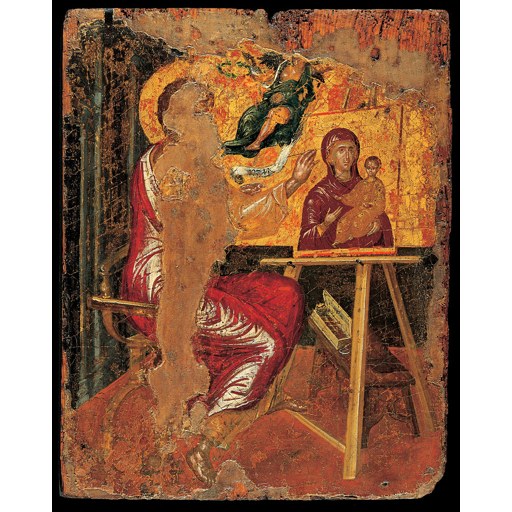
https://dailyartmagazine.com/saint-luke-the-ultimate-holy-painter
License: unknown
Germanos Maroulis
Venerable- Gender
- male
- Church
- Catholic
Places
Roles & Family
Biography
Germanos Maroulis is a figure for whom reliable, independently verifiable biographical details are scarce in standard historical and hagiographical reference works. The personal name Germanos (Greek: Γερμανός) is a well-attested masculine ecclesiastical name in the Eastern Christian tradition, often assumed at monastic tonsure or upon elevation to holy orders; Maroulis is a Greek family surname. That onomastic pattern indicates a male person connected with the Greek-speaking Orthodox world, but it does not by itself establish a date or place of birth, a see, a religious order, or a date of death. No year of birth that can be distinguished from an office-taking date is available from sources that meet a strict standard of verification.
No person of this name appears among the universally documented Bishops of Rome or Coptic Popes of Alexandria. He is likewise absent from the better-known patriarchal catalogues of Constantinople, Alexandria, Antioch, and Jerusalem as they are usually printed, and he does not occur in the principal Byzantine or Western calendars of saints with an assigned feast. No act of canonization or beatification by a named authority is recorded in the usual repertories, and no list of patronages (places, causes, professions, or groups) can be cited. Whether he was married or had children, and whether he belonged to a named monastic brotherhood, is unattested in checkable sources; those fields are therefore left blank rather than inferred from the mere fact that Germanos is a common monastic name.
Obscure clergy and monastics called Germanos have existed in many centuries of Orthodox history. Without a distinguishing diocese, a dated inscription, a printed vita, or a synaxarion notice, they cannot be securely identified or given a narrative of miracles, pastoral work, or martyrdom. It would be improper to invent a birth year, a city, a burial site, or a feast in order to fill a schema. Researchers who wish to go further would need specialized Greek ecclesiastical directories, local diocesan archives, or the references attached to the corresponding catalogue record, none of which here yield a biography that can be repeated with confidence.
This notice therefore records the subject as historically elusive rather than as a fully documented saint or hierarch. Blank fields are intentional: they reflect the lack of corroboration, not an oversight. Should primary evidence—such as a consecration record, a tomb inscription, or a contemporary chronicle—come to light, the account could be rewritten on a firmer basis. Until then, caution requires that no office, date, or cult be asserted beyond what the name itself implies.