Giovanni Battista Pinardi is a venerable of the Catholic Church (1880 - 1962).
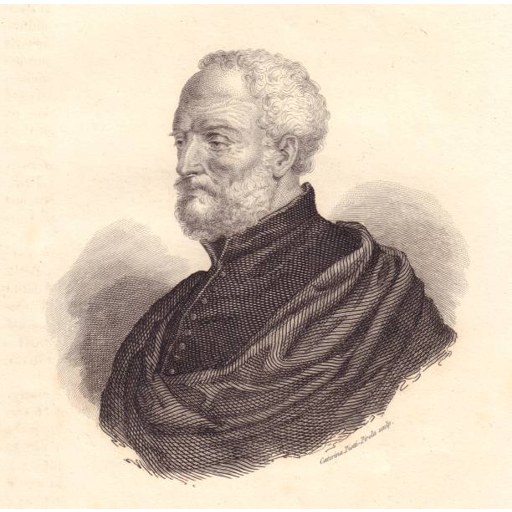
https://gettyimages.com/photos/portrait-of-giovanni-battista
License: unknown
Giovanni Battista Pinardi
Venerable- Life Span
- 1880 - 1962 (age 82)
- Gender
- male
- Church
- Catholic
Places
Relics & Where to Venerate
Location unknown
From 1964 his remains have been housed in the San Secondo church near the Sacred Heart altar according to his wishes
Roles & Family
Biography
Giovanni Battista Pinardi was born on 15 August 1880 in Castelnuovo d'Asti (later renamed Castelnuovo Don Bosco), in the province of Asti in Piedmont, then part of the Kingdom of Italy. The town, which was also the birthplace of Saint John Bosco, belonged to the Archdiocese of Turin. Pinardi received his ecclesiastical education in the Turin seminary and was ordained a priest on 29 June 1903. In the years after ordination he worked in pastoral ministry in the archdiocese, as Turin was becoming one of Italy's chief industrial cities and the local Church was developing new forms of social and youth apostolate among workers and the urban poor.
On 24 January 1916 Pope Benedict XV appointed him titular bishop of Eudoxias and auxiliary bishop of Turin. He was consecrated bishop on 5 March 1916, at the age of thirty-five. He remained auxiliary bishop of Turin for the rest of his life, an unusually long tenure of forty-six years, serving under successive archbishops including Cardinal Agostino Richelmy, Cardinal Giuseppe Gamba, and Cardinal Maurilio Fossati. He never became diocesan bishop of a see of his own. His episcopate spanned the First World War, the Fascist period, the Second World War, and the early years of the Italian Republic, so that he became a familiar and relatively stable pastoral presence in the Church of Turin across several generations.
Pinardi was known as a bishop close to ordinary people rather than as a curial administrator. He devoted particular attention to workers, young people, Catholic associations, and charitable works in industrial Turin and its hinterland. The social and political tensions of twentieth-century Piedmont, including industrialization, the Fascist regime, wartime hardship, and postwar reconstruction, formed the setting of his ministry. He belonged to the diocesan clergy of Turin and was not a member of a religious order. In keeping with the discipline of the Latin Church he was unmarried and had no children. He was neither pope nor patriarch.
He died in Turin on 2 August 1962. A reputation for holiness later led to the introduction of a cause for beatification in the Archdiocese of Turin, but he has not been beatified or canonized, and no universal feast day or official patronages have been assigned to him. He is remembered in local Catholic memory as a long-serving auxiliary bishop of Turin whose life was spent entirely in the service of that church.