Giuseppe Beschin is a venerable of the Catholic Church (1880 - 1952).
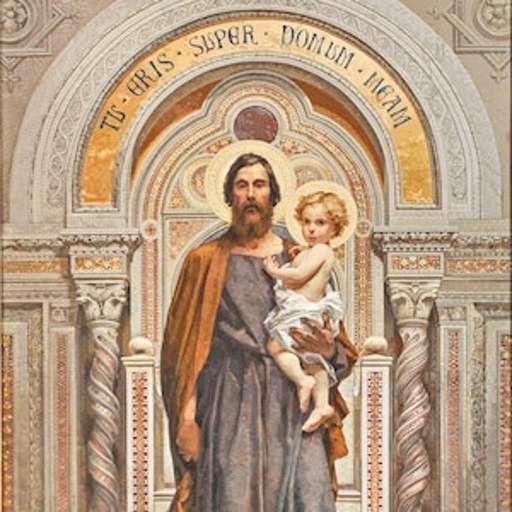
https://etsy.com/market/st_joseph_picture
License: unknown
Giuseppe Beschin
Venerable- Life Span
- 1880 - 1952 (age 72)
- Gender
- male
- Church
- Catholic
Places
Roles & Family
Religious Information
Biography
Giuseppe Beschin, known in religion as Ignazio Beschin, was an Italian Franciscan priest of the Order of Friars Minor. He was born on 28 December 1880 in San Giovanni Ilarione, in the province of Verona in the Veneto region of northern Italy. Baptized Giuseppe, he entered the Franciscan order as a young man and received the religious name Ignazio. His formation took place within the Venetian Franciscan province, a region with a long medieval and early modern Franciscan tradition associated in part with Padua and the cult of Saint Anthony. He was ordained a priest and thereafter exercised his ministry in northern Italy. Standard historical notices do not record a foreign missionary career, nor do they indicate that he ever held episcopal office.
In the convents of his province he served in the ordinary offices of Franciscan life, including those of preacher, confessor, and local superior. He acquired a particular reputation as a spiritual director and confessor, and the faithful of the Veneto sought him out for counsel. Accounts preserved in connection with his later cause of beatification describe a life marked by prayer, evangelical poverty, and personal austerity. His active years spanned the first half of the twentieth century, including the periods of the two world wars, during which Italian religious communities were affected by military mobilization, political pressure, and social upheaval. He spent his later life in the Franciscan house at Chiampo, in the province of Vicenza.
Beschin died at Chiampo on 29 October 1952. A local reputation for holiness followed his death and led to the introduction of a cause of beatification in the competent diocese. In the course of that process, diocesan and Roman authorities examined his writings, his reputation, and testimonies concerning his exercise of the theological and cardinal virtues. He was subsequently declared Venerable, a recognition that he practiced those virtues to a heroic degree, but he has not been beatified or canonized. As a result he has no obligatory liturgical feast in the General Roman Calendar and no officially assigned patronages of places, professions, or causes.
Because he was a professed member of a mendicant order and a priest of the Latin Church, he was bound to celibacy; there is no record of a spouse or of children. He was neither Bishop of Rome nor a patriarch of an Eastern see. Details of his family of origin, the precise dates of his investiture and profession, and the exact place of his burial are not all equally well established in widely available historical literature, and this account therefore confines itself to those points that can be stated with reasonable confidence from standard notices of his life and cause.