Glicerio Landriani is a venerable of the Catholic Church (1588 - 1615). Glicerio Landriani's feast day is celebrated on 15 February.
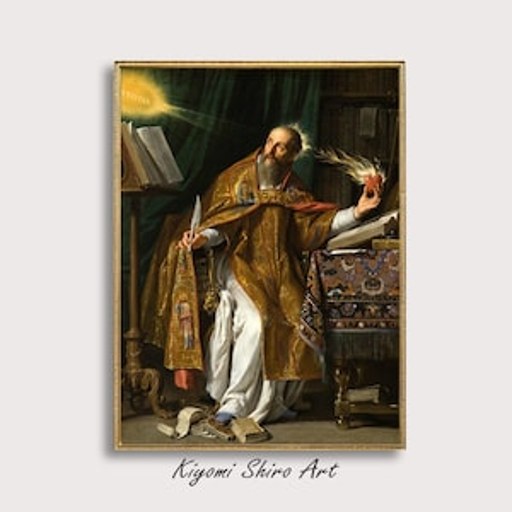
https://etsy.com/market/saint_painting
License: unknown
Glicerio Landriani
Venerable- Life Span
- 1588 - 1615 (age 27)
- Feast Day
- 15 February
- Gender
- male
- Church
- Catholic
Places
Roles & Family
Religious Information
Biography
Glicerio Landriani was born in Milan in 1588, a member of the noble Landriani family long established in the city and its territories. Milan at the close of the sixteenth century was a major center of Catholic reform, still marked by the recent episcopate of Saint Charles Borromeo (d. 1584). Landriani grew up in an aristocratic milieu that often combined worldly rank with serious religious practice and received the education customary for a youth of his class.
Drawn to consecrated life, he entered the Congregation of the Clerics Regular of Saint Paul (the Barnabites) while still in his teens. The order, founded in Milan in 1530 by Saint Anthony Mary Zaccaria, was dedicated to preaching, the education of youth, and the reform of clergy and laity. Landriani made religious profession and was ordained a priest. Within the congregation he was remembered for an intense interior life of prayer and penance, devotion to the Eucharist and the Virgin Mary, and concern for the poor, in keeping with Barnabite charitable traditions.
His active ministry was brief. After a few years of priestly work that appears to have included teaching and pastoral duties, he fell ill and died in 1615 at about twenty-seven years of age. Later Barnabite tradition sometimes places the death in Naples, where the order was then active, though surviving notices are not wholly consistent on every geographical point. He was buried according to the customs of his congregation.
A reputation for holiness persisted among the Barnabites after his death. In the nineteenth century his cult received official recognition, and he is venerated in the Catholic Church as Blessed Glicerio Landriani. His liturgical memorial is kept on 15 February, the traditional date of his death. Because he died so young and left no extensive writings, the historical record remains limited; most of what is known comes from the internal chronicles and necrologies of the Barnabite order rather than from independent contemporary biographies.
Devotion to him has remained largely confined to his religious family and to the Ambrosian context of Milan. He is sometimes presented as a model of youthful consecration and of fidelity to the Barnabite charism in the generation after the Council of Trent. No widespread patronages of places, professions, or particular causes are firmly attached to his name in standard hagiographical directories.