Haakon V of Norway is a saint of the Catholic Church (1270 - 1319).
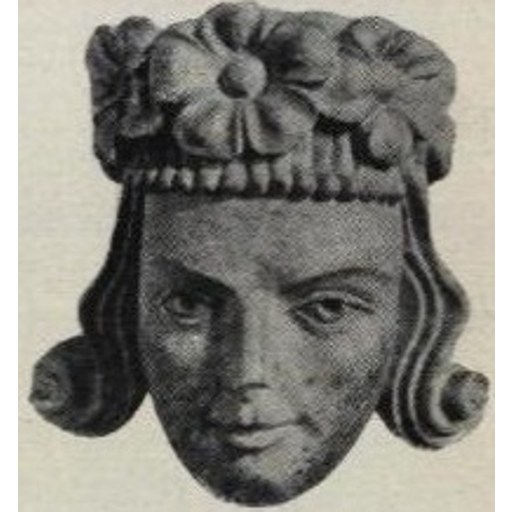
Alexander Bugge (1870–1929)
License: Public domain
Haakon V of Norway
Saint- Life Span
- 1270 - 1319 (age 49)
- Gender
- male
- Church
- Catholic
Places
Relics & Where to Venerate
Location unknown
The bodily remains of Haakon V of Norway are a first-class relic. Venerated at Royal Mausoleum.
Roles & Family
Religious Information
Biography
Haakon V Magnusson was king of Norway from 1299 until 1319 and the last Norwegian monarch of the House of Sverre in the male line. He was born in 1270, the younger son of King Magnus VI, called the Lawmender, and Queen Ingeborg, a daughter of King Eric IV of Denmark. During the reign of his elder brother, King Eric II, Haakon was styled duke and administered extensive districts that included Oslo and the interior uplands as well as territories in western Norway. When Eric II died in 1299 without a legitimate son, Haakon succeeded to the throne. His reign continued the work of royal consolidation that had followed the end of Norway's civil wars in the thirteenth century, and he is remembered as one of the stronger medieval Norwegian kings.
As ruler Haakon sought to increase the power of the crown relative to the high nobility. He limited the privileges of the barons, reduced the size and independence of the royal retinue, and issued ordinances that tied the aristocracy more firmly to royal service. He favored Oslo as the chief seat of government and began the construction of Akershus Fortress, which became a major royal stronghold overlooking the Oslofjord. Tønsberg remained an important royal center as well. In relations with neighboring kingdoms and with the Hanseatic merchants who dominated much of Norway's foreign trade, he attempted to defend royal and urban interests while avoiding prolonged war. Early in the fourteenth century he promulgated rules of succession that emphasized legitimate descent, a policy that later determined the transfer of the crown through his daughter rather than through a cadet male line.
Haakon married Euphemia of Rügen in 1299. Their only legitimate child was a daughter, Ingeborg, born in the early fourteenth century. Ingeborg was married to Duke Eric Magnusson of Sweden, and their son Magnus Eriksson was recognized as heir to Norway. Haakon also had an illegitimate daughter, Agnes, who married into the Norwegian nobility. Because he left no legitimate son, his death ended the male line of the dynasty that had ruled Norway since King Sverre in the late twelfth century. The Norwegian crown then passed to the child Magnus, creating a personal union with Sweden.
Haakon died at Tønsberg in 1319 and was buried in St. Mary's Church in Oslo, a collegiate church closely associated with the royal household. Historians generally regard his reign as a high point of the medieval Norwegian monarchy before the later unions with Sweden and Denmark reduced Norway's independent royal institutions. He was a secular Catholic monarch of the high Middle Ages, not a canonized saint, and he left no religious order or cult. His lasting legacy lies in the strengthening of royal administration, the rise of Oslo as a capital, and the architectural and legal measures that outlived the dynasty he represented.