Habakkuk of Thessaloniki is a saint of the Eastern Orthodox Church.
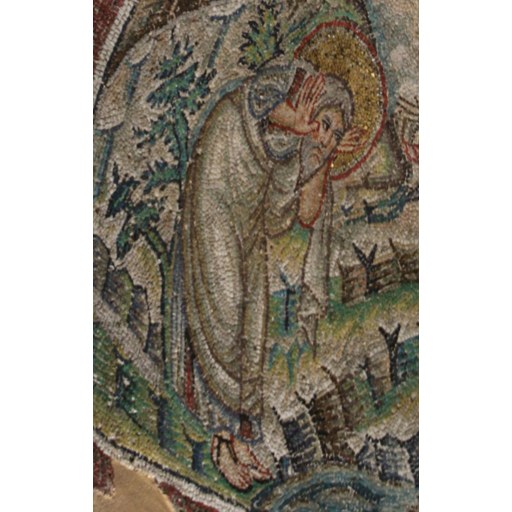
https://en.wikipedia.org/wiki/Icon_of_Christ_of_Latomos
License: unknown
Habakkuk of Thessaloniki
Saint- Gender
- male
- Church
- Eastern Orthodox
Roles & Family
Biography
Habakkuk of Thessaloniki remains an obscure figure whose life is not attested in the principal Greek, Latin, or Slavic hagiographical collections that historians customarily consult. The designation links the biblical name Habakkuk—well known from the Old Testament prophet and from later monastic and martyr nomenclature in the Orthodox East—with the Macedonian city of Thessaloniki, a see of great antiquity and a prolific source of local cults. No vita, enkomion, or contemporary historical notice that can be securely attached to this individual has been identified in printed synaxaria or in the standard repertoires of Byzantine and post-Byzantine saints.
Thessaloniki’s Christian history stretches from the apostolic age through the Byzantine centuries and the long Ottoman period, during which the city continued to produce new martyrs, monastics, and hierarchs. In that environment a monk, priest, or layman named Habakkuk could easily have been remembered locally without ever receiving a widely circulated biography. The absence of a recorded feast day in the major Orthodox calendars, of a known burial shrine, and of any patronage traditionally assigned to him suggests that any cult was either extremely limited or has not survived in the documentary record available to modern scholarship.
Because no reliable source supplies a birth year, a death year, a place of origin distinct from the epithet, or an ecclesiastical rank, those data must be left unspecified. It is likewise impossible to determine whether the subject lived as a married man, a celibate cleric, or a monk, or whether he suffered martyrdom. Later compilers sometimes conflated similarly named saints; without a distinctive epithet beyond of Thessaloniki, such confusion cannot be ruled out and further cautions against constructing a narrative from analogy.
Responsible historical writing therefore confines itself to registering the name and the geographic association, noting the silence of the sources, and leaving open the possibility that unpublished liturgical manuscripts or local Thessalonian tradition might one day furnish a brief notice. Until that evidence appears and is critically examined, Habakkuk of Thessaloniki cannot be given a detailed biography of the kind available for the city’s better-documented holy men and women.