Hormisdas is a saint of the Catholic Church (d. 523). Hormisdas's feast day is celebrated on 6 August.
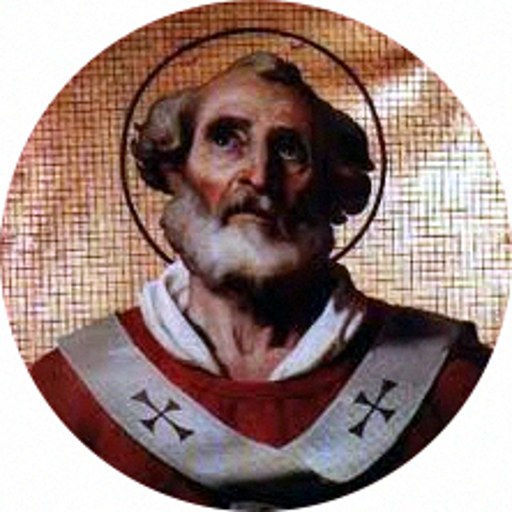
Unknown authorUnknown author
License: Public domain
Hormisdas
Saint- Life Span
- d. 523
- Feast Day
- 6 August
- Gender
- male
- Church
- Catholic
Places
Relics & Where to Venerate
Location unknown
The bodily remains of Hormisdas are a first-class relic. Venerated at St. Peter's Basilica.
Roles & Family
Biography
Hormisdas was bishop of Rome from 514 until his death in 523 and is venerated as a saint in the Catholic Church. He was born in Frosinone (ancient Frusino) in Campania, in the region of modern Lazio, Italy, the son of a man named Justus. The Liber Pontificalis describes him as a Campanian. Before receiving holy orders he was married and had a son, Silverius, who later became pope. Hormisdas served the Roman church as a deacon under Pope Symmachus, whose pontificate had been troubled by the Laurentian schism. On 20 July 514 the Roman clergy elected Hormisdas to succeed Symmachus. Italy was then under the Ostrogothic king Theodoric the Great, an Arian who generally allowed the Catholic population autonomy in church affairs.
The central task of his pontificate was the healing of the Acacian schism, which had separated Rome and Constantinople since 484. That schism arose from the Henotikon of Emperor Zeno and from Rome's condemnation of Patriarch Acacius of Constantinople for compromising with opponents of the Council of Chalcedon. Hormisdas insisted that Eastern bishops condemn Acacius and those who had remained in communion with his see, accept Chalcedon and the Tome of Pope Leo I, and acknowledge the teaching authority of the apostolic see of Rome. Embassies sent to Emperor Anastasius I, who favored compromise with miaphysite Christians, did not succeed. After Anastasius died in 518 and Justin I, a supporter of Chalcedon, became emperor, negotiations resumed. In 519 a Roman legation was received in Constantinople; Patriarch John II of Constantinople and many Eastern bishops signed the Formula of Hormisdas, and ecclesiastical communion was restored. The formula remained an important statement of Roman claims to primacy in matters of faith.
Hormisdas also confronted other theological and political questions. Scythian monks led by John Maxentius came to Rome promoting the theopaschite formula that one of the Trinity suffered in the flesh, hoping it would help win moderate miaphysites to Chalcedon. Hormisdas declined to give the phrase the official endorsement they sought, and the issue continued under his successors. He maintained a substantial correspondence with bishops in East and West, much of which survives. Throughout his pontificate he had to balance relations with Theodoric's court at Ravenna and with the imperial government in Constantinople once that government had returned to a Chalcedonian policy.
Hormisdas died in Rome on 6 August 523 and was buried in St. Peter's Basilica. His feast day is 6 August. His nine-year pontificate is often regarded as a high point of papal influence in the early sixth century, both for the reunion with the East and for the clear assertion of Roman doctrinal authority in his formula. His son Silverius was elected pope in 536, during the Gothic War, and died in exile.