Innocent (Smirnov) is a saint of the Catholic Church (1784 - 1819). Innocent (Smirnov)'s feast day is celebrated on 10 October.
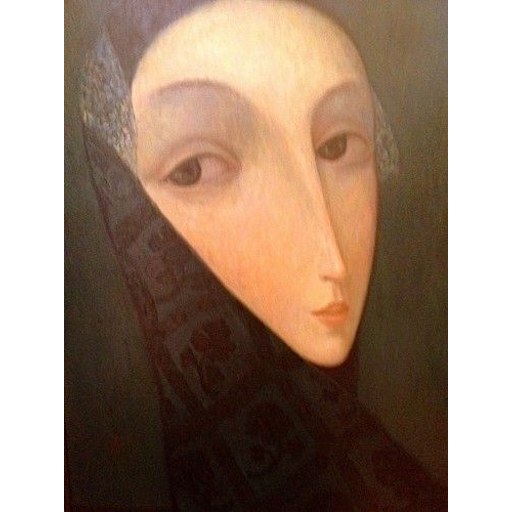
https://pinterest.com/cmoyer1/sergei-smirnov
License: unknown
Innocent (Smirnov)
Saint- Life Span
- 1784 - 1819 (age 35)
- Feast Day
- 10 October
- Gender
- male
- Church
- Catholic
Places
Roles & Family
Canonization
Biography
Innocent (Smirnov), known in the world as Ivan Dmitrievich Smirnov, was a bishop of the Russian Orthodox Church who is venerated as a saint. He was born in 1784 in the village of Pavlovskoye in Zvenigorod Uyezd of the Moscow Governorate, in the Russian Empire. His father Dmitry served as a parish sexton, and the future hierarch grew up in a modest clerical household of the kind that supplied many students to the church schools of late eighteenth-century Russia. He was educated at the seminary of the Trinity-Sergius Lavra and then at the Moscow Slavic-Greek-Latin Academy, where he received training in Scripture, patristics, rhetoric, and the classical languages that underpinned Orthodox scholarship in that period.
After completing his studies he taught at the Trinity Seminary. In 1809 he was tonsured a monk at the Trinity-Sergius Lavra and received the name Innocent; he was ordained hierodeacon and hieromonk. He continued as a teacher and preacher. In the 1810s he was called to Saint Petersburg, appointed rector of the Saint Petersburg Theological Seminary, and made archimandrite of the Trinity-Sergius Hermitage on the Gulf of Finland. In the capital he belonged to the circle of learned clergy active during the reign of Alexander I. He was known as a preacher and writer: he prepared an outline of church history from biblical times through the eighteenth century that was used as a seminary textbook, and he produced sermons and translations that circulated among clergy and educated laity.
In 1819 Innocent was consecrated to the episcopate and assigned to the Diocese of Penza and Saratov, a large Volga-region see. He arrived in Penza in the summer of 1819 and began diocesan work, including preaching and the oversight of parishes and clergy. His tenure lasted only a few months. He died in Penza in October 1819, in his mid-thirties, and was buried at the Spaso-Preobrazhensky Monastery in that city.
Because he occupied the cathedra for so short a time, detailed records of his day-to-day pastoral acts are limited, and later disruptions of church life in Russia further thinned the documentary trail. What survived in ecclesiastical memory was the impression of an austere monk-bishop, a gifted teacher, and a man of prayer who died young. Local veneration at his burial place in Penza continued. In the late twentieth century his remains were identified and honoured as relics. The Russian Orthodox Church glorified him as a saint in 2000, after earlier local veneration in the Penza diocese. He is commemorated on 10 October in the Julian liturgical calendar and is also remembered among the saints associated with the Penza land.