Iosebi is a saint of the Catholic Church.
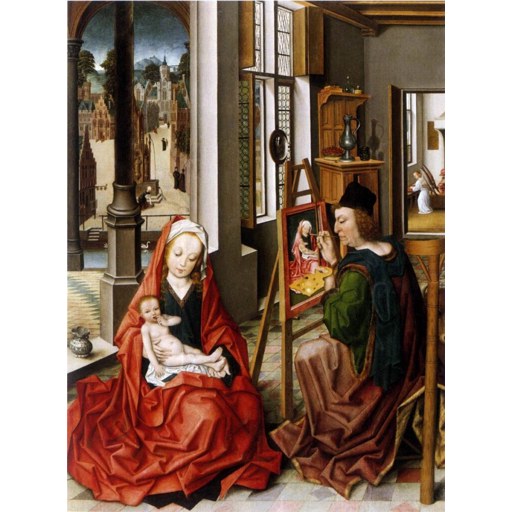
https://www.dailyartmagazine.com/saint-luke-the-ultimate-holy-painter/
License: unknown
Iosebi
Saint- Gender
- male
- Church
- Catholic
Roles & Family
Biography
Iosebi is the Georgian form of the name Joseph. The individual recorded under Wikidata identifier Q16370708 is not the subject of a widely circulated vita, synaxarion entry, or standard ecclesiastical biography in the major languages of historical scholarship. Precise dates of birth and death, places of origin, and the offices he may have held cannot be confirmed from reliable published sources without risk of confusing him with better-attested namesakes. The name itself is characteristically Georgian and is borne by clergy, monastics, and laymen across many centuries of Caucasian Christian history.
The Georgian Orthodox Church, whose autocephaly and liturgical tradition reach back to the conversion of Iberia in the fourth century, has included numerous hierarchs and monks called Iosebi. Among the better-known figures sharing the name are medieval catholicoses of Kartli and the sixth-century Joseph of Alaverdi, one of the Thirteen Assyrian Fathers. Nothing in readily verifiable records allows this particular Iosebi to be identified with those men, nor with any Bishop of Rome or Coptic Pope of Alexandria. Whether he was a diocesan bishop, a monastery superior, a parish priest, or a layman remains unestablished.
Georgian church life unfolded under successive political regimes—Bagratid monarchy, Persian and Ottoman pressure, Russian imperial incorporation, and Soviet rule—each of which shaped the documentation that survives. Many local clergy left only brief mentions in conscription lists, monastic commemorations, or later Soviet-era files. In the absence of a matching chronicle, inscription, or church calendar notice that can be tied securely to Q16370708, claims about monastic profession, marriage, children, or a cultus would be speculative.
No feast day, patronage, act of canonization, or beatification is attached to this Iosebi in standard hagiographical reference works. A fuller account would require Georgian archival materials, the specific statements and sources cited on the Wikidata item itself, and comparison with unpublished church records. Until those are corroborated, the biography must remain limited to the onomastic and regional context that can be stated with confidence.