Johann Evangelist Wagner is a venerable of the Catholic Church (1807 - 1886).
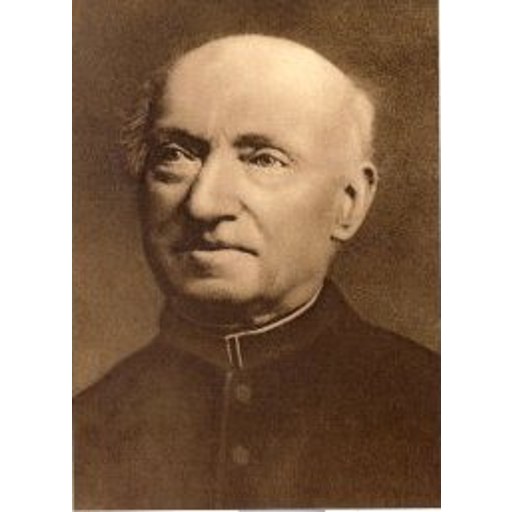
The original uploader was Eppasandas at German Wikipedia.
License: Public domain
Johann Evangelist Wagner
Venerable- Life Span
- 1807 - 1886 (age 79)
- Gender
- male
- Church
- Catholic
Places
Roles & Family
Biography
Johann Evangelist Wagner was born on 5 December 1807 in Dattenhausen, a village in the Swabian countryside of the Kingdom of Bavaria, to a farming family. He received his early education in the region and then studied philosophy and theology at the lyceum in Dillingen an der Donau and at the University of Munich. In 1833 he was ordained a priest of the Diocese of Augsburg. After initial pastoral assignments he was appointed to the teaching staff of the episcopal seminary in Dillingen, where he lectured in pastoral theology and pedagogy and took part in the formation of future diocesan clergy.
In the 1840s Wagner was named Regens, or rector, of the Dillingen seminary, an office he retained until the end of his life. The title later gave its name to the charitable foundations associated with him. While serving as rector he became deeply concerned with the lack of schooling and care available to deaf children and to persons living with other disabilities. In the German-speaking lands of the mid-nineteenth century such people were often excluded from ordinary education and left without organized support. Wagner’s approach was to create residential institutions that combined religious instruction, basic schooling, and practical training.
In 1847 he founded in Dillingen an institution originally intended for the education of deaf girls. He obtained the collaboration of the Franciscan Sisters of Dillingen, who staffed the house and the later foundations. The work soon expanded beyond deaf children to include the blind, the physically disabled, and those with intellectual disabilities, and additional houses were opened in other Bavarian locations. These establishments together formed the network known as the Regens-Wagner-Stiftungen. Wagner directed this growing work alongside his continuing responsibilities as seminary rector.
Wagner died in Dillingen an der Donau on 10 October 1886. He remained a diocesan priest throughout his life and never belonged to a religious order. He did not marry and had no children. The Catholic Church has neither beatified nor canonized him, and he has no assigned feast day or official patronages. His principal legacy is the institutional network he began, which developed after his death into a major Catholic provider of education, workshops, and residential care for people with disabilities in Bavaria and which continues to operate under the Regens-Wagner name. He is regarded by historians of German special education as a significant nineteenth-century pioneer of organized care for disabled persons.