John of Sviatohirsk is a saint of the Catholic Church.
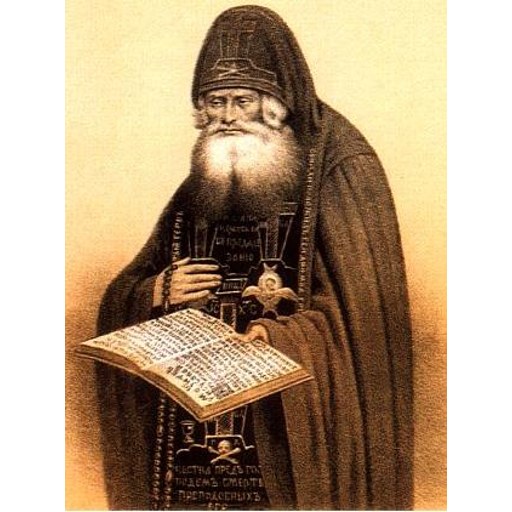
Unknown authorUnknown author
License: Public domain
John of Sviatohirsk
Saint- Gender
- male
- Church
- Catholic
Places
Roles & Family
Biography
John of Sviatohirsk is known principally through his association with the Sviatohirsk Lavra (also called the Holy Mountains Lavra or Svyatogorsk Dormition Monastery), an Eastern Orthodox monastic house on the chalk hills above the Siverskyi Donets River in eastern Ukraine. The toponymic epithet indicates a connection to that community rather than a fully documented public career. Widely available historical and hagiographical literature does not preserve a verified year of birth, secular name, family origin, or a detailed vita of the kind compiled for more prominent saints. Such gaps are typical of locally commemorated monastic figures whose memory was kept inside the brotherhood rather than in printed synaxaria or chronicles.
The monastery itself is attested in written sources from the early modern period, with references in the sixteenth and seventeenth centuries. It stood on the southern frontier of the settled lands of Sloboda Ukraine, serving both as a house of prayer and as a fortified point against steppe raids. Monks occupied natural and man-made caves in the soft chalk, a form of cave asceticism comparable to that of other Orthodox lavras. The community suffered repeated destruction and restoration. After a period of closure in the late eighteenth century it was re-established in the mid-nineteenth century and grew into a sizable brotherhood engaged in liturgical life, pilgrimage hospitality, and strict monastic discipline.
A figure bearing the name John would have belonged to this tradition of prayer, fasting, and possibly reclusion or spiritual eldership, yet no securely dated miracles, writings, or official acts of glorification attached uniquely to him appear in standard reference works. The lavra’s ascetics are sometimes remembered collectively rather than through individual, fully sourced lives. In the twentieth century the monastery was closed by Soviet authorities, its churches and cells put to secular use, and regular monastic life interrupted until the revival of the 1990s, after which the house received lavra status.
Because the surviving evidence is fragmentary, the century in which John lived, the circumstances of his death, and the precise place of burial remain uncertain. A careful account must therefore rest on the better-documented history of the Sviatohirsk community itself and on the general pattern of Orthodox monastic culture in the region, without inventing biographical particulars that cannot be verified from reliable sources.