José María Arizmendiarrieta is a venerable of the Catholic Church (1915 - 1976).
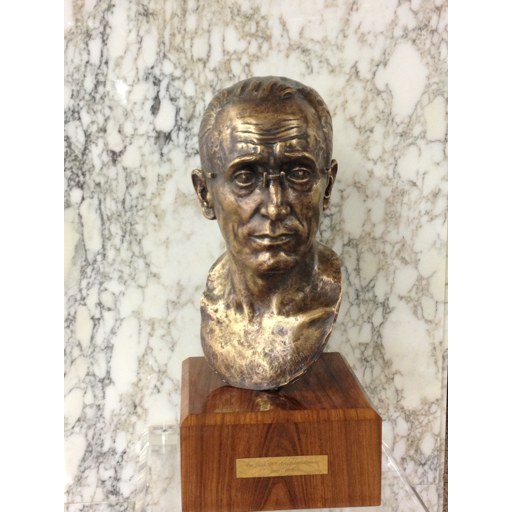
עמר ברט
License: CC BY-SA 3.0
José María Arizmendiarrieta
Venerable- Life Span
- 1915 - 1976 (age 61)
- Gender
- male
- Church
- Catholic
Places
Roles & Family
Biography
José María Arizmendiarrieta Madariaga was a Basque Catholic priest and the principal founder of the Mondragon cooperative movement. He was born on 22 April 1915 in Markina-Xemein, in the province of Biscay in the Basque Country of Spain, into a modest farming family. As a youth he entered the diocesan seminary of Vitoria. The Spanish Civil War interrupted his studies: he worked as a journalist for a Basque nationalist newspaper and, after the Nationalist capture of Bilbao, was imprisoned and narrowly escaped execution. He later completed his formation and was ordained a priest in 1941 for the Diocese of Vitoria. He was a secular diocesan priest, not a member of a religious order, and remained a parish clergyman rather than seeking higher ecclesiastical office.
In 1941 he was assigned as a curate to the industrial town of Mondragón (Arrasate) in Gipuzkoa, where he spent the rest of his life. Confronted with unemployment, limited technical education, and the social aftermath of the Civil War, he devoted himself to the formation of working-class youth. In 1943 he founded a professional school that combined industrial training with Catholic social teaching and cooperative principles. From that circle of students came the first worker cooperative, ULGOR, established in 1956 to manufacture paraffin heaters and later known as Fagor. He then encouraged the creation of a cooperative credit institution, Caja Laboral Popular, in 1959, together with further industrial, consumer, educational, and welfare cooperatives that grew into the Mondragon complex, one of the world’s largest networks of worker-owned enterprises.
Arizmendiarrieta’s thought joined papal social encyclicals, Basque communal traditions, and a practical insistence on worker ownership, democratic management, wage solidarity, and the reinvestment of surplus in the community. He taught, advised, and wrote mainly in internal cooperative bulletins rather than in widely circulated books, and he lived simply as a parish priest, exercising influence through persuasion rather than hierarchical authority. He declined promotion away from Mondragón and remained closely involved with the cooperatives until his death.
He died in Mondragón on 29 November 1976. A cause for beatification was later opened in the Diocese of San Sebastián, but he has not been beatified or canonized and has no official feast day or listed patronages. He is remembered as the spiritual and organizational architect of the Mondragon cooperative experience.