Josef Eppich is a servant of god of the Catholic Church (1874 - 1942).
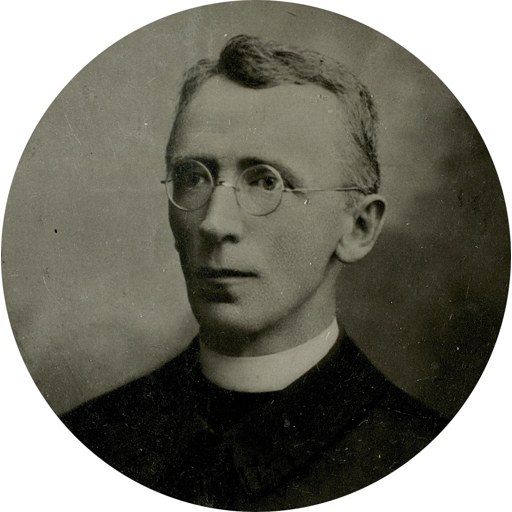
Unknown authorUnknown author
License: Public domain
Josef Eppich
Servant of God- Life Span
- 1874 - 1942 (age 68)
- Gender
- male
- Church
- Catholic
Places
Roles & Family
Biography
Josef Eppich was a Roman Catholic priest, journalist, and political figure among the Carinthian Slovenes, the South Slavic minority inhabiting the southern part of the Austrian crown land of Carinthia. He was born in 1874 in Sankt Kanzian am Klopeiner See (Škocjan in Slovene), a bilingual locality then belonging to Austria-Hungary. Raised in a Slovene-speaking Catholic family, he received the clerical education customary for young men of his community who sought advancement and was ordained a diocesan priest. His early ministry was spent in pastoral work among Slovene congregations, in a period when language, faith, and nationality were tightly bound together and German-nationalist pressure on the minority was already intense.
Beyond the parish, Eppich became a leading voice in the Catholic Slovene press and in local politics. He belonged to the well-established Central European type of the priest-politician who combined pastoral care with the defence of a rural Catholic minority. He wrote for and helped edit Slovenian-language Catholic newspapers circulating in Carinthia, instruments that sustained literacy, religious instruction, and a sense of distinct identity. The collapse of the Habsburg monarchy in 1918, the armed conflict over Carinthia, and the 1920 plebiscite that left most of the disputed zone inside the new Austrian republic formed the decisive public context of his career. Thereafter he continued to speak for those Carinthian Slovenes who remained on the Austrian side of the border.
In the First Austrian Republic he persisted in combining priestly duties with advocacy for minority rights and Catholic social principles. The 1930s brought economic crisis and the rise of National Socialism. After the Anschluss of 1938, Carinthian Slovenes faced systematic suppression: Slovene schools and associations were closed and clergy associated with the national movement came under suspicion. Eppich lived through these years of mounting persecution as a marked man of the old Catholic-Slovene leadership.
He died in 1942 in Klagenfurt (Celovec), the administrative centre of Carinthia, by then incorporated into the German Reich. Eppich was never beatified or canonized and is not the object of a liturgical cult. His historical importance is regional: he exemplifies the local clergy who tried to protect a small Catholic minority during the nationality struggles of late imperial Austria, the First Republic, and the Nazi era. Fuller archival treatment of his life remains largely the province of specialists in Carinthian and Slovene history.