Julius is a saint of the Catholic Church.
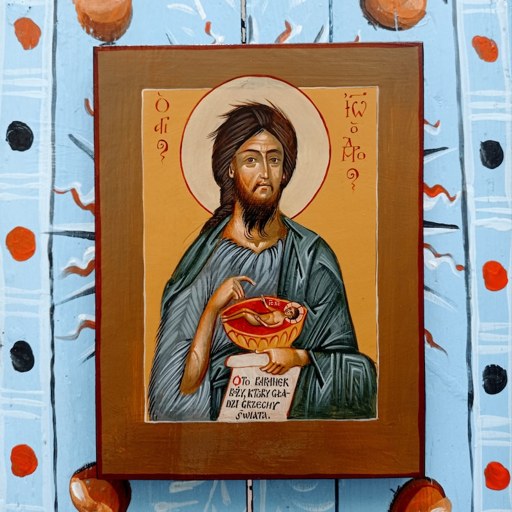
https://www.etsy.com/uk/listing/1518487637/saint-john-the-baptist-picture-icon
License: unknown
Julius
Saint- Gender
- male
- Church
- Catholic
Biography
The single given name Julius, without a surname, epithet, see, century, or other disambiguating mark, does not identify one historical person. In Roman, late antique, medieval, and early modern sources the name is common among pagans, Christians, clerics, and laymen. Several bishops of Rome bore it (Julius I in the fourth century; Julius II and Julius III in the sixteenth). Hagiographical calendars also record martyrs and confessors called Julius, among them Julius the Veteran of Durostorum, Julius of Rome, and Julius of Novara, as well as lesser-attested figures whose acts are late or legendary. None of these men can be assigned to the present record without inventing an identity the sources do not support.
Because the subject is unspecified, no verified year of birth or death, place of origin, place of death, or burial can be given. Office-taking dates of any Julius who later became bishop or pope must not be treated as birth years. Marital status, children, religious profession, and patronage likewise cannot be filled from a reliable source attached to this unnamed individual. The masculine form of the name is the only onomastic fact that can be stated with ordinary confidence; even that does not constitute a biographical identification.
A careful hagiographer therefore leaves the biographical fields empty rather than conflating distinct lives. If a particular Julius is intended—pope, martyr, or local saint—the corresponding vita, papal catalogue, or martyrology entry must be cited by title, feast, or historical office. Until that identification is supplied, no single narrative of career, cult, canonization, or patronage can be written without guesswork, which the historical method here forbids.