Kegham Parseghian is a saint of the Catholic Church (1883 - 1915).
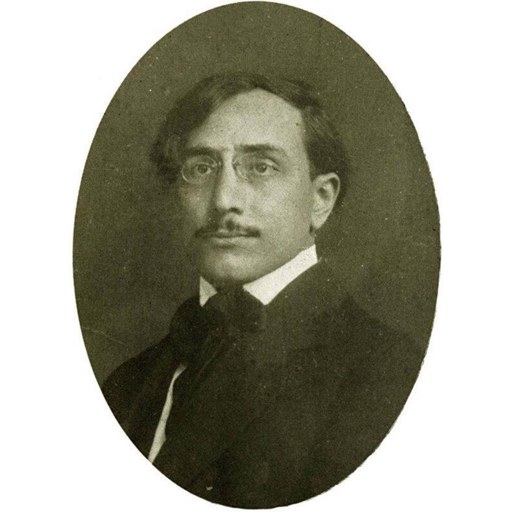
Unknown photographer
License: Public domain
Kegham Parseghian
Saint- Life Span
- 1883 - 1915 (age 32)
- Gender
- male
- Church
- Catholic
Places
Roles & Family
Biography
Kegham Parseghian (Armenian: Գեղամ Բարսեղյան; a Western Armenian name also transliterated Gegham Barseghian) was a Western Armenian journalist, writer, and intellectual of the late Ottoman period. He was born in 1883 in Constantinople, then the capital of the Ottoman Empire and one of the principal urban centers of Armenian life. He belonged to the last generation of Western Armenian men of letters formed inside the capital’s Armenian schools and press. He is reported to have studied at the Getronagan Armenian High School, a leading Armenian secondary school in Constantinople founded in the 1880s, which trained many teachers, clerks, and journalists. Widely available historical notices say almost nothing reliable about his parents, household, or private life, and no documented spouse or children can be confirmed from standard biographical sources.
His public career fell in the years after the Young Turk Revolution of 1908, which restored the Ottoman constitution and, for a short time, loosened censorship. Armenian daily papers and literary journals multiplied in Constantinople, and Parseghian worked in that world as a journalist and publicist, and is also described as a writer. He is grouped with the younger Constantinople intellectuals of the constitutional years rather than with the already famous parliamentary or poetic names of the same community. Detailed bibliographies of his articles, and any separate books he may have issued, are scarce in ordinary Western-language reference works. The later destruction of Ottoman Armenian newspaper offices, libraries, and private papers left many such careers only fragmentarily recorded.
The setting of his work was the Western Armenian cultural world of Constantinople in the early twentieth century: a community that maintained churches, schools, theaters, charitable societies, and a dense Armenian-language press, and that after 1908 also saw legal political organization and open debate over reform in the Armenian provinces and over the community’s place in the Ottoman state. Parseghian’s generation inherited both the nineteenth-century revival of Western Armenian letters and the political hopes raised by constitutionalism. Those hopes ended after the Ottoman Empire entered the First World War in 1914 and the ruling Committee of Union and Progress turned to the destruction of the Armenian population of the empire.
On 24 April 1915 Ottoman authorities in Constantinople arrested a large body of Armenian notables—clergy, physicians, teachers, merchants, and, in high proportion, journalists and writers. That round-up is widely treated as the opening act of the Armenian Genocide, and 24 April is observed as its remembrance day. Parseghian was among those seized. The detainees were held in the capital and then sent in groups toward interior towns, including Ayaş and Çankırı. In the following weeks and months the great majority of the men taken on and after 24 April were murdered or died in custody or on the roads. Parseghian was killed in 1915. The precise place and manner of his death are not firmly established in readily available sources. He held no episcopal or patriarchal office and belonged to no religious order; he has not been canonized or beatified. He is remembered among the murdered Armenian intellectuals of 1915 and as part of the destroyed Western Armenian literary community of the Ottoman Empire.