Klymentiy Sheptytsky is a blessed of the Catholic Church (1869 - 1951). Klymentiy Sheptytsky's feast day is celebrated on 1 May.
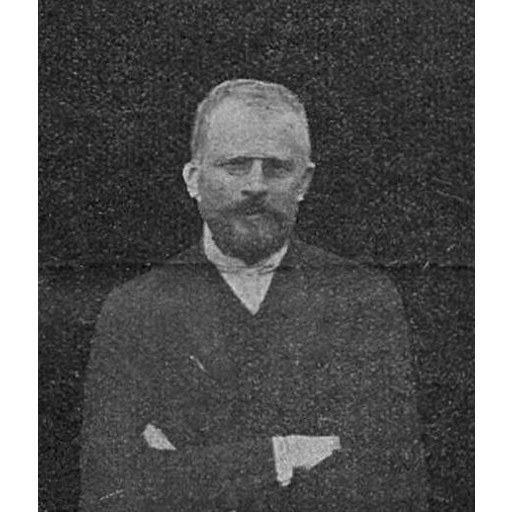
Unknown authorUnknown author
License: Public domain
Klymentiy Sheptytsky
Blessed- Life Span
- 1869 - 1951 (age 82)
- Feast Day
- 1 May
- Gender
- male
- Church
- Catholic
Places
Roles & Family
Religious Information
Canonization
Biography
Klymentiy Sheptytsky was born Kazimierz Maria Szeptycki on 17 November 1869 in the village of Prylbychi in eastern Galicia, then part of Austria-Hungary and now in Ukraine. He belonged to the Polish-Ukrainian noble Sheptytsky (Szeptycki) family. His parents were Count Jan Kanty Szeptycki and Countess Zofia Fredro, a daughter of the Polish writer Aleksander Fredro. Among his brothers was Roman Aleksander Maria Szeptycki, who entered the Basilian Order, took the name Andrey, and later became Metropolitan of Lviv and head of the Ukrainian Greek Catholic Church. Klymentiy received a legal education at universities in Kraków and Munich, earned a doctorate in law, managed family estates, and for a time took part in public life, including service as a deputy in the Austrian parliament.
In middle age he embraced the monastic vocation. In 1911 he entered the Benedictine abbey of Beuron in Germany. Shortly afterward, following his brother's efforts to restore the ancient Studite monastic tradition within the Ukrainian Greek Catholic Church, he transferred to the Studite monks and took the religious name Klymentiy (Clement). He was ordained a priest in the mid-1910s. Over the following decades he became a leading figure among the Studites, serving as hegumen of the Univ Holy Dormition Lavra and later as archimandrite of the Studite monks. He worked to strengthen Eastern monastic life, liturgical practice, and the formation of monks in Galicia during the interwar years, when the region formed part of the Second Polish Republic.
During the Second World War, under both Soviet and Nazi occupations of western Ukraine, Sheptytsky and the Studite communities, acting in concert with Metropolitan Andrey Sheptytsky, sheltered Jews and other endangered people in monasteries. After the war Yad Vashem recognized him as Righteous Among the Nations. Following the death of Metropolitan Andrey in 1944 and the Soviet reoccupation, the Ukrainian Greek Catholic Church was subjected to a campaign of liquidation, culminating in the state-sponsored Lviv Sobor of 1946, which purported to dissolve the Church and absorb it into the Russian Orthodox Church. Klymentiy Sheptytsky refused to accept this union.
He was arrested by Soviet authorities in 1947 and imprisoned. He died on 1 May 1951 in Vladimir Central Prison in the Russian Soviet Federative Socialist Republic. Pope John Paul II beatified him on 27 June 2001 in Lviv, together with a group of Ukrainian Greek Catholic bishops, priests, monks, and nuns who had died under Soviet persecution, honoring him as a martyr and confessor of the faith. He is remembered as a monastic reformer, a protector of the persecuted, and a witness of the Ukrainian Greek Catholic Church under totalitarian rule.