Konstantin Merkushinsky is a saint of the Eastern Orthodox Church.
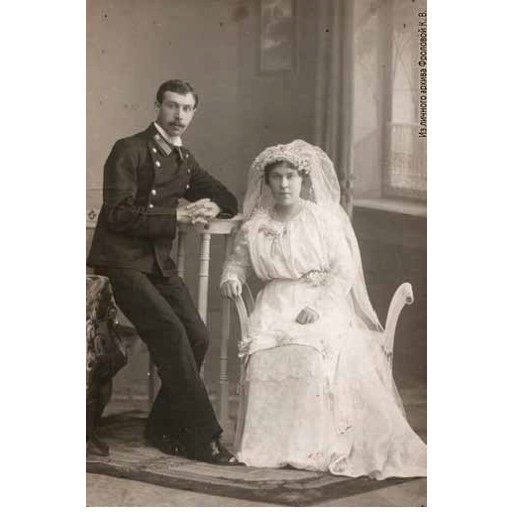
Неизвестен. Оригинал хранится в личном архиве К.В. Фроловой
License: Public domain
Konstantin Merkushinsky
Saint- Gender
- male
- Church
- Eastern Orthodox
Places
Roles & Family
Biography
Konstantin Merkushinsky is a little-documented figure whose life cannot be reconstructed with confidence from the major published sources of Russian church history and hagiography. The Wikidata identifier Q4231314 has been associated with this name, yet no corresponding entry in the principal encyclopedias, synaxaria, diocesan histories, or lists of canonized saints supplies dates, places, or a narrative vita. In keeping with strict historical method, birth and death years, family circumstances, and ecclesiastical rank therefore remain unknown. The given name Konstantin is a standard male Christian name in the East Slavic tradition, but that onomastic fact alone does not establish any further biographical detail.
The second element of the designation, Merkushinsky, is a toponymic formation typical of Russian clerical and saintly nomenclature. It points toward the village of Merkushino, situated on the Tura River in the Verkhoturye region of the Urals (historically Perm Governorate, now Sverdlovsk Oblast). That village entered Orthodox memory through the seventeenth-century righteous Simeon of Verkhoturye, whose relics were uncovered there and later translated to the St. Nicholas Monastery in Verkhoturye. Subsequent centuries saw pilgrimage, local veneration of other ascetics, and a network of parish clergy in the same district. Whether the Konstantin in question belonged to that local tradition, served there, or merely received the epithet for some other reason is not confirmed by any text that can be cited here.
Twentieth-century persecution produced hundreds of new martyrs and confessors from the Perm and Ekaterinburg dioceses, many of them parish priests whose surnames or epithets reflected places of service. Investigative files of the Soviet security organs, when published, sometimes allow identification of such men. No martyrology entry, investigative file, or diocesan necrology presently known matches the precise designation Konstantin Merkushinsky. Consequently it is impossible to state whether he died a natural death, suffered exile or imprisonment, or was executed, nor whether any local or patriarchal act has numbered him among the New Martyrs and Confessors of Russia.
In the absence of a liturgical service, an established iconographic type, or an official act of canonization or beatification, no feast day or patronage can be assigned. Genealogical questions—whether he was married, whether he had children, whether he belonged to a monastic brotherhood—likewise cannot be answered from verified sources. The historian must therefore record the name as given, note the geographic hint contained in the epithet, and wait for parish registers, archival files, or a published vita that may one day permit a fuller biography. Until that evidence appears, any reconstruction of office, family, or cult would be speculative and is therefore omitted.