Laurianus is a saint of the Catholic Church. Laurianus's feast day is celebrated on 4 July.
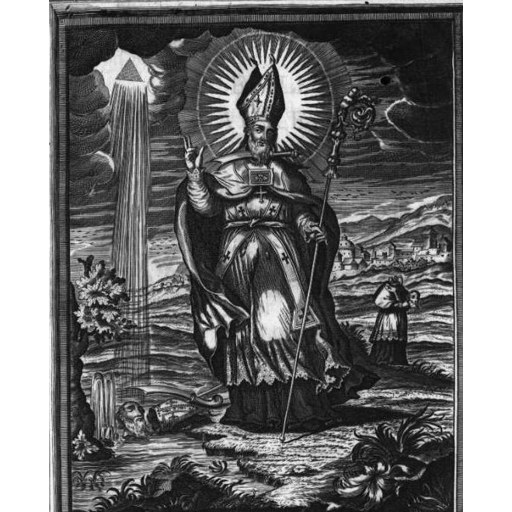
Fray Diego Tello Lasso de la Vega
License: Public domain
Laurianus
Saint- Feast Day
- 4 July
- Gender
- male
- Church
- Catholic
Roles & Family
Biography
Saint Laurianus, also known in Spanish-speaking traditions as San Lauriano, is a Christian martyr whose biography is known exclusively through later hagiographical legends rather than from any surviving contemporary historical documents. Traditional accounts, which appear to have taken shape in the medieval period, associate him with the city of Seville in the Iberian Peninsula during the sixth century. In these stories he holds the office of archdeacon, a senior clerical rank in the church of Seville at a time when the region was under Visigothic kings who were initially Arian and later converted to Nicene Christianity.
According to the received legend, Laurianus left Hispania on a missionary journey to Pannonia, the late-Roman province that corresponds in part to modern Hungary and surrounding areas. There he preached Christianity to pagan inhabitants. The narrative states that he was seized by local authorities or tribal leaders, subjected to various tortures intended to make him renounce his faith, and finally beheaded. Typical of martyr acts of this type, the accounts include elements of miraculous endurance and divine signs. The exact identity of his persecutors—whether Avars, who arrived in the region in the later sixth century, or earlier groups—is not consistently or historically specified.
The cult of Laurianus became established in Bourges, in the historical region of Berry in central France. Tradition holds that his relics, especially his head, were brought to Bourges, where they became objects of veneration. This translation of relics from a supposed site of martyrdom in the Danube basin to Gaul is not documented in early sources and likely reflects the medieval practice of relic acquisition and the desire of local churches to possess distinguished martyrs. A church or altar dedicated to him existed in the area, and he received liturgical commemoration in some local calendars, commonly on 4 July in certain traditions.
No sixth-century writer from Spain, Italy, Gaul, or the Balkans mentions a Laurianus matching this description. The silence of contemporary sources such as the histories of Isidore of Seville, Gregory of Tours, or others active in the relevant regions strongly suggests that the detailed vita is a later construction. Historians of hagiography therefore regard Saint Laurianus as an obscure figure whose legend may preserve the memory of an otherwise unknown martyr or may have been created to explain the presence of relics and to provide a saintly patron. Precise information concerning his birth, the year of his death, family, or even confirmation of his existence as a distinct historical person remains unavailable. His veneration, where it occurred, belongs to the broader phenomenon of early medieval saint cults that combined local devotion with circulating stories of distant martyrdoms.