Leo II is a saint of the Catholic Church (d. 683). Leo II's feast day is celebrated on 28 June.
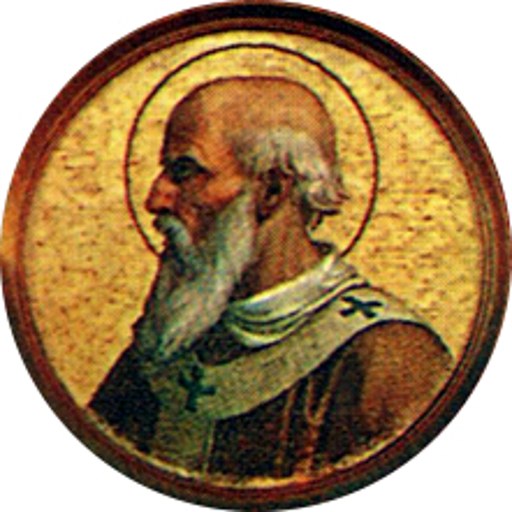
Unknown authorUnknown author
License: Public domain
Leo II
Saint- Life Span
- d. 683
- Feast Day
- 28 June
- Gender
- male
- Church
- Catholic
Places
Relics & Where to Venerate
Location unknown
The bodily remains of Leo II are a first-class relic. Venerated at St. Peter's Basilica.
Roles & Family
Canonization
Biography
Pope Leo II was a Sicilian by birth, identified in the Liber Pontificalis as the son of a man named Paul. No contemporary source records the year of his birth. He belonged to the bilingual Greek and Latin culture of seventh-century Sicily, then a province of the Byzantine Empire, and was later remembered as learned in both languages. After the death of Pope Agatho in January 681, Leo was elected bishop of Rome, but his consecration was deferred until 17 August 682 while the Roman Church awaited the imperial authorization from Constantinople. During that vacancy the see was administered, according to Roman custom, by the archpriest, the archdeacon, and the primicerius of the notaries. Among Leo’s first diplomatic results was a concession from Emperor Constantine IV that abolished or substantially reduced the tax traditionally paid to the imperial treasury on a papal consecration and relaxed the older requirement of prior imperial confirmation of papal elections.
The central theological act of his short pontificate was the reception and confirmation of the Sixth Ecumenical Council, the Third Council of Constantinople of 680–681, which defined that Christ possesses two natural wills and two natural operations, divine and human, against Monothelitism. Leo had the conciliar acts translated from Greek into Latin for circulation in the West and forwarded them to the bishops of the Iberian Peninsula with letters explaining the council’s teaching. In those letters he accepted the council’s posthumous censure of Pope Honorius I, stating that Honorius had failed to extinguish the flame of heresy as apostolic authority required and had by negligence allowed it to spread. Western reception of the Constantinopolitan decrees, including the later action of the Spanish episcopate, rested in part on the documents sent from Rome under Leo.
Leo also moved to restore Roman metropolitan rights over the Church of Ravenna. In the preceding decades the archbishops of Ravenna, with imperial support, had claimed a measure of autocephaly and consecration independent of Rome. During Leo’s pontificate Archbishop Theodore of Ravenna submitted, and it was arranged that future archbishops of that see should receive consecration in Rome. Near-contemporary notices describe Leo as eloquent, instructed in the Scriptures, outstanding in sacred chant and psalmody, and notably compassionate toward the poor. The Liber Pontificalis portrait of a pope distinguished in cantilena and psalmody is the basis for the later tradition that he composed sacred hymns.
Leo II died in Rome on 28 June 683, after a pontificate of fewer than eleven months, and was buried in St. Peter’s Basilica. His cult as a saint is ancient; his feast is kept on 28 June, the anniversary of his death. Although his reign was brief, his confirmation of the Sixth Ecumenical Council, his handling of the Honorius question, his settlement with Ravenna, and his adjustment of papal–imperial relations at the moment of consecration form the principal historical legacy of his pontificate.