Ludwig III. von Arnstein is a blessed of the Catholic Church (d. 1185). Ludwig III. von Arnstein's feast day is celebrated on 25 October.
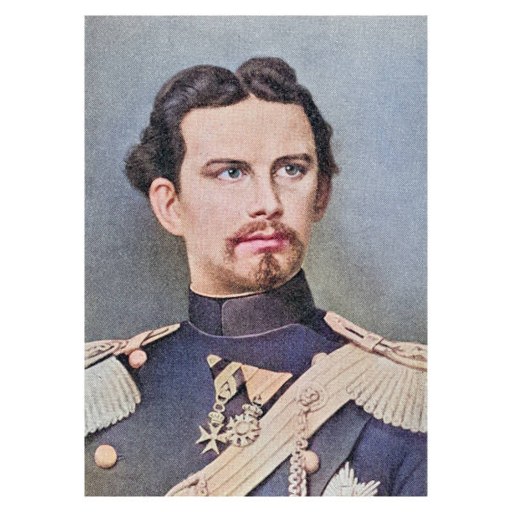
https://gettyimages.com/photos/king-ludwig
License: unknown
Ludwig III. von Arnstein
Blessed- Life Span
- d. 1185
- Feast Day
- 25 October
- Gender
- male
- Church
- Catholic
Places
Roles & Family
Religious Information
Biography
Ludwig III of Arnstein was a German count of the twelfth century and the last of the counts of Arnstein, a regional noble house whose ancestral castle stood above the river Lahn in the Middle Rhine country, in what is now Rhineland-Palatinate. An exact year of birth is not preserved in contemporary records; later compilations sometimes place it around the first decade of the twelfth century, but that figure is conventional rather than documented. His family belonged to the lesser high nobility of the Lahngau. In the political world of the Holy Roman Empire under the early Hohenstaufen, such local counts are often known only from charters, later monastic memory, and the fate of their fortresses. Ludwig’s lasting historical identity is bound to a single well-attested act: the conversion of his castle into a house of regular canons.
In 1139 he transformed Burg Arnstein into a Premonstratensian monastery, thereby founding Kloster Arnstein. The Premonstratensian order, or Canons Regular of Prémontré, had been established by Norbert of Xanten only in the early 1120s and was then spreading through the German lands as part of the canonical reform. Ludwig entered the new community himself, together with his wife Guda, and endowed it with the patrimonial estates of the county. Tradition consistently presents the couple as childless, so that the comital line ended with them and the castle and lands passed to the church rather than to secular heirs. The turning of a noble residence into a reformed canonry was a characteristic expression of twelfth-century aristocratic piety in the German kingdom.
Thereafter Ludwig lived as a member of the Premonstratensian community at Arnstein rather than as a ruling count. Order tradition and local Catholic memory portray him as having spent several decades in regular observance. Precise details of offices, daily life, or a written rule of conduct for him personally are not independently documented in surviving twelfth-century narrative sources. What is secure is the foundation itself, his entry into religion with Guda, the childlessness of the marriage, and the long association of his name with the abbey. Guda likewise took up the religious life, in a pattern familiar among noble couples who jointly withdrew from the world and settled their property on a reformed community.
According to the chronology transmitted in later monastic and liturgical notices, Ludwig died on 25 October 1185 and was buried at the abbey he had founded, at Arnstein in the present municipality of Obernhof. He has been venerated as blessed (selig) in the Premonstratensian order and in the local church, with a feast commonly assigned to 25 October, the reported day of his death. There is no record of a formal papal canonization of the later medieval or modern type; his cult belongs to the older pattern of local and congregational veneration of a founding noble who ended his days in religion. Specific patronages of places, causes, or professions are not securely attested in the major liturgical or hagiographical repertoires. The historical record remains limited: he is known above all as the last Count of Arnstein and as the founder who turned his castle into a Premonstratensian abbey and died there in religion.