Magnus of Avignon is a saint of the Catholic Church (d. 660). Magnus of Avignon's feast day is celebrated on 19 August.
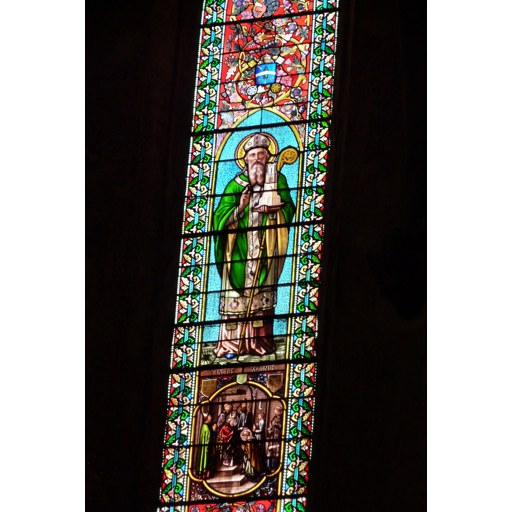
Reinhardhauke
License: CC BY-SA 3.0
Magnus of Avignon
Saint- Life Span
- d. 660
- Feast Day
- 19 August
- Gender
- male
- Church
- Catholic
Places
Roles & Family
Religious Information
Biography
Saint Magnus of Avignon, known in French as Saint Magne, was a Gallo-Roman churchman of the seventh century who served both as a civil governor and as bishop of Avignon in Provence. Almost everything that can be said about him derives from later hagiographical tradition, especially notices attached to the cult of his son, Saint Agricola of Avignon, rather than from contemporary charters or chronicles. He belongs to the Merovingian period in southern Gaul, when members of the old senatorial aristocracy still moved between public office, monastic retirement, and the episcopate. The year 660 is the date traditionally assigned to his death.
According to this tradition, Magnus belonged to the senatorial class of late Roman Gaul and held high civil authority as governor of Avignon. He was married and was the father of Agricola, who would himself become bishop of Avignon and the city’s principal patron saint. After the death of his wife, Magnus withdrew from secular administration and entered the monastic community of Lérins, the island abbey off the Provençal coast that for centuries supplied bishops to the churches of southern Gaul. The name of his wife is not preserved in the sources that mention him.
He was later called from the monastery to occupy the see of Avignon. As bishop he is said to have associated his son Agricola with him in the government of the diocese, making him coadjutor; Agricola succeeded him on his death. Magnus’s cult remained local rather than universal. His feast has been observed on 19 August. He was never the subject of a formal papal canonization of the later medieval or modern type; like most saints of the early Middle Ages, he was recognized by popular cult and local liturgical commemoration in the pre-congregation period.
Little independent archival material survives to confirm the details of his civil career, his monastic profession, or the exact circumstances of his episcopal election. The outline given above is the standard account found in martyrologies and in notices connected with the life of Saint Agricola. No reliable record of his place of birth or of his place of burial has been established. His historical importance lies chiefly in the link he represents between the Gallo-Roman senatorial aristocracy, the monastic centre of Lérins, and the episcopal see of Avignon in the seventh century.