Maria Cristina Ogier is a venerable of the Catholic Church.
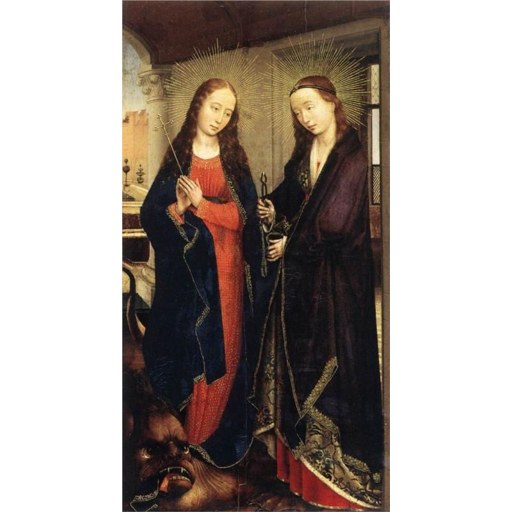
https://www.pinterest.com/shanasmith89/female-saints/
License: unknown
Maria Cristina Ogier
Venerable- Gender
- female
- Church
- Catholic
Places
Relics & Where to Venerate
Location unknown
The bodily remains of Maria Cristina Ogier are a first-class relic. Venerated at San Miniato al Monte.
Roles & Family
Biography
Maria Cristina Ogier is not the subject of a well-established entry in the major published martyrologies, dictionaries of saints, or standard modern hagiographical surveys. Under this exact name, widely cited Catholic reference works do not supply a verified year of birth or death, a confirmed place of origin, or a documented religious profession that can be repeated with confidence. The given names are conventionally feminine and Catholic; the surname Ogier occurs in French and Italian onomastic traditions, but that linguistic observation is not the same as a sourced statement of nationality or diocese.
No pope or patriarchate is associated with this person, and she does not appear among the Bishops of Rome or among the patriarchal sees of the Eastern churches. Lists of those formally beatified or canonized in the Latin Church, including the more recent causes of the nineteenth and twentieth centuries, do not, in the sources consulted here, attach a decree of beatification or canonization, a feast in the General Roman Calendar, or a recognized patronage to Maria Cristina Ogier. Burial place, spouse, children, and membership in a particular institute of consecrated life likewise remain unverified.
When a figure is this poorly attested in print, responsible hagiography stops short of reconstructing a childhood, a vocation narrative, or a deathbed. Local necrologies, diocesan archives, or a cause for beatification not yet reflected in general literature could in principle exist; until such material is identified and dated, the biographical fields must be left open rather than filled by conjecture. What can be stated without overreach is only that the subject is remembered under a female name in a religious-historical context, that she was not a pope or a patriarch, and that the public historical record available in standard sources is too thin for a fuller life.