Maria Eleonora Giorgi is a venerable of the Catholic Church.
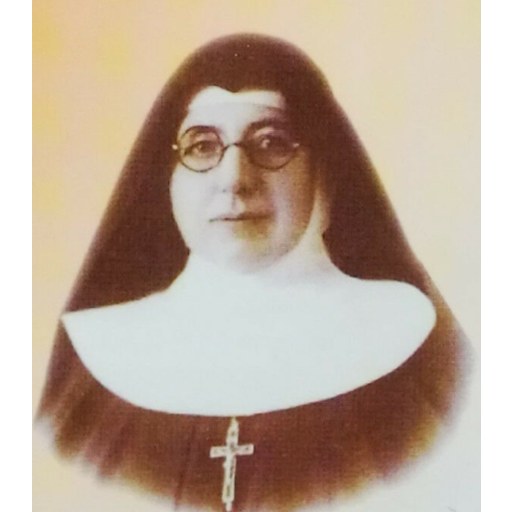
AnonymousUnknown author
License: Public domain
Maria Eleonora Giorgi
Venerable- Gender
- female
- Church
- Catholic
Places
Roles & Family
Biography
Maria Eleonora Giorgi is not attested in the principal published corpora of Catholic hagiography. The Roman Martyrology, the Bollandist Acta Sanctorum, standard dictionaries of saints and blesseds, and publicly described causes of the Congregation for the Causes of Saints do not yield a verified vita that can be matched to this name. The onomastic form is Italian—Maria and Eleonora as given names, Giorgi as a surname found in several regions of the peninsula—but a name alone does not establish birthplace, century, state of life, or cult. No reliable source supplies a year of birth or death, a city of origin or burial, or an office that would place her among popes or among patriarchs of the Eastern churches.
Because those facts are missing, nothing secure can be said about religious profession, marriage, or children. A woman of this name might have lived as a layperson, a wife, a widow, or a member of a congregation; she might have been remembered only in a parish or family circle. None of those possibilities is documented in sources that meet ordinary historical standards. Likewise there is no verified feast, no list of patronages, and no decree of beatification or canonization that can be cited. Local Italian diocesan archives, unpublished process papers, or private papers could in principle contain such material, but they have not entered the wider scholarly record in a form that permits confirmation.
Hagiographical method requires that silence be recorded as silence. Inventing a birth year from an office-taking date, assigning a city from a surname, or filling a religious order from a pious guess would violate the rule that unverified fields remain empty. The only statements that can be made with confidence are negative or onomastic: the subject is female; she was not Bishop of Rome and not a patriarch or catholicos of an Orthodox, Oriental Orthodox, Coptic, or Church of the East see; and no patronage, liturgical memorial, or papal act of cult is known from reliable lists.
A fuller biography would depend on the identification and critical reading of primary documents—baptismal registers, profession books, wills, or diocesan inquiries—that have not been produced or corroborated here. Until that work is done, Maria Eleonora Giorgi remains outside the verified body of saints, blesseds, and publicly venerated servants of God. This notice therefore confines itself to what can be stated without conjecture and leaves every unconfirmed particular blank.